
Dental Misconception: If I Lost Bone, I Can Never Have Implants
The misconception is: “My dentist told me I lost bone, so I can never have implants.” The truth is more nuanced. Implants need enough healthy bone to support chewing forces, but modern implant planning may include bone grafting, sinus lift, ridge augmentation, shorter implants, narrower implants, or implant-supported denture designs. Some patients still are not candidates — but bone loss alone is not an automatic “no.”
Why Bone Matters for Dental Implants
A dental implant is not just a screw placed anywhere in the mouth. It must be surrounded by enough healthy bone to become stable and handle chewing pressure. Mayo Clinic explains that if the jawbone is not thick enough or is too soft, bone grafting may be needed before implant surgery because chewing puts strong pressure on the bone.
The American Academy of Periodontology explains that a key to implant success is the quantity and quality of bone where the implant will be placed. This is especially important in the upper back jaw, where bone may be limited and the sinus is close.
Why Patients Lose Bone
Jawbone can shrink or change for many reasons. The most common reason is tooth loss: once a tooth root is gone, the bone no longer receives the same stimulation. Bone can also be lost from gum disease, infection, trauma, long-term denture pressure, failed teeth, or waiting many years after extraction.
Missing teeth
After extraction, bone can shrink because the natural tooth root is gone.
Periodontal disease
Gum disease can destroy the bone that supports teeth.
Infection or abscess
Chronic infection around a tooth can damage surrounding bone.
Waiting too long
Years without a tooth can leave less bone for future implants.
Denture pressure
Removable dentures sit on the gums and do not stimulate bone like natural roots or implants.
Trauma or failed teeth
Accidents, cracked roots, or failing restorations can lead to bone defects.
Bone Loss Does Not Mean Every Implant Option Is Gone
Bone loss changes the diagnosis. It may mean the implant is harder, slower, more expensive, or requires staged treatment. But many patients still have options after 3D evaluation.
| Problem found | Possible option | What it may do |
|---|---|---|
| Bone is too thin | Ridge augmentation / bone graft | May widen the ridge for safer implant placement. |
| Bone height is limited under sinus | Sinus lift / sinus augmentation | May create more bone support in the upper back jaw. |
| Tooth just extracted | Socket preservation graft | Helps preserve the ridge for future implant planning. |
| Vertical bone height is limited | Short implant in selected cases | May avoid more invasive grafting when anatomy and bite allow. |
| Ridge is narrow | Narrow implant in selected cases | May fit limited-width bone when strength and location are appropriate. |
| Full denture with bone loss | Implant-retained denture or mini/standard implant options | May improve denture stability even when fixed teeth are not ideal. |
| Severe bone loss | Specialist referral, staged reconstruction, or non-implant option | Some cases need advanced care or safer alternatives. |
Why Cone Beam CT Is So Important
A regular dental X-ray is useful, but implant planning often needs 3D information. Cone beam CT helps Dr. Nguyen evaluate bone height, bone width, bone density, sinus position, nerve location, infection, and implant angulation. Without 3D planning, it is much easier to underestimate the difficulty of a bone-loss case.
Measures bone width
Bone may look tall on a 2D X-ray but be too thin from cheek to tongue side.
Protects nerves
The lower jaw nerve must be located before implant planning.
Checks sinus position
Upper back implants require awareness of sinus anatomy.
Plans implant angle
Implants must support the future crown, not just fit into available bone.
Finds infection defects
Old infection can leave bone defects that affect grafting or timing.
Chooses the right option
CBCT helps compare grafting, short implants, sinus lift, denture options, or referral.
Visual Guide: Bone Loss Does Not Always Mean “No Implant”
This is a simplified diagram. Real treatment depends on CBCT measurements, bone quality, sinus/nerve anatomy, bite force, and restoration design.
Bone Grafting: Rebuilding the Foundation
Bone grafting adds bone material where bone has been lost. Mayo Clinic explains that a bone graft can create a more solid base for the implant when the jawbone is not thick enough or is too soft. Grafting can be done at extraction, before implant placement, or sometimes at the same time as implant placement depending on the defect and stability.
Sinus Lift: When Upper Back Bone Is Too Short
The upper back jaw is one of the most common areas where patients are told they do not have enough bone. The sinus sits above the upper molars and premolars. If bone height is limited, a sinus lift may be used to add bone below the sinus for implant support.
The American Academy of Periodontology explains that the upper back jaw has traditionally been difficult for implant placement because of insufficient bone quantity/quality and proximity to the sinus. AAOMS patient education explains that sinus augmentation may add bone support and can be done at the same time as implant placement or as a separate staged procedure depending on the case.
Short Implants and Difficult Bone Cases
In selected cases, short implants may help patients who do not have enough vertical bone height for a standard longer implant. Short implants are not magic and are not right for every patient. They need careful planning, good bone quality, correct bite forces, proper crown design, and maintenance.
Systematic review literature describes short implants as being used in atrophic jaw areas. More recent studies continue to evaluate long-term survival, complications, and marginal bone loss for short implants, showing why proper case selection is important.
When Bone Loss May Still Make Implants Risky
Bone loss does not automatically rule out implants, but some patients still may not be good candidates without major reconstruction or specialist care. Dr. Nguyen will not recommend an implant just because a patient wants one if the foundation is unsafe.
| Risk factor | Why it matters |
|---|---|
| Severe vertical or horizontal bone loss | May require staged grafting, specialist referral, or non-implant alternatives. |
| Active gum disease | Implants placed into an infected mouth are at higher risk. |
| Uncontrolled diabetes | Can impair healing and increase infection risk. |
| Smoking | Increases risk of poor healing and implant complications. |
| Heavy grinding/clenching | Can overload implants, grafts, screws, and crowns. |
| Poor hygiene or skipped maintenance | Implants can fail from peri-implant disease and bone loss. |
| Medical/bone medications | Some medications and health conditions require special planning or medical clearance. |
Implant Alternatives If Bone Is Too Limited
If implants are not safe or practical, the patient still has options. The best replacement depends on how many teeth are missing, health, budget, anatomy, and goals.
| Alternative | When it may help | Limitation |
|---|---|---|
| Bridge | When adjacent teeth can support a fixed replacement. | Usually requires support teeth and careful cleaning. |
| Partial denture | When multiple teeth are missing or implant treatment is not possible. | Removable and less stable than fixed options. |
| Complete denture | When all teeth are missing in an arch. | Can move and requires adaptation, relines, and maintenance. |
| Implant-retained denture | When a few implants can improve denture retention. | Still removable in many cases and requires maintenance. |
| Specialist referral | When advanced grafting, sinus lift, or complex reconstruction is needed. | May involve more time, cost, and surgical complexity. |
SoftDental Implant Bone-Loss Evaluation
Clinical exam
Dr. Nguyen checks missing teeth, gums, bite, infection, dentures, old crowns, and patient goals.
2D X-rays and CBCT when needed
3D imaging helps measure bone and locate nerves, sinus, and defects.
Anatomage diagnosis software planning
3D data can help evaluate the jaw structure and overall dental health more clearly.
Bone and gum risk assessment
Bone height, width, density, gum tissue, infection, smoking, diabetes, and maintenance ability are reviewed.
Treatment option comparison
Dr. Nguyen discusses implant, graft, sinus lift, short implant, bridge, partial, denture, or referral options.
Long-term maintenance plan
Implants require cleaning, checkups, bite management, and gum/bone monitoring.
Questions to Ask If You Were Told You Have Bone Loss
The Bottom Line
Bone loss is a serious implant-planning issue, but it is not always the end of the conversation. The correct answer is not “yes” or “no” without measurements. The correct answer comes from diagnosis: CBCT, gum evaluation, bite analysis, medical history, and realistic treatment planning.
Some patients with bone loss can still receive implants with grafting, sinus lift, short implants, staged treatment, or implant-supported denture options. Other patients may need a bridge, partial denture, complete denture, or specialist care. The goal is not to force an implant into poor bone. The goal is to choose the safest long-term solution.
Bone loss does not automatically mean you can never have implants. It means we need to measure the bone in 3D, understand why the bone was lost, and choose a plan that protects the patient — not just place an implant because it sounds good.
— Dr. Minh Nguyen, D.D.S., P.A. · SoftDental HoustonSources and Further Reading
Mayo Clinic: Dental implant surgery — explains that if the jawbone is not thick enough or is too soft, bone grafting may be needed before implant surgery because chewing puts strong pressure on bone.
Mayo Clinic: Jawbone graft (Dental implant surgery) — explains that bone may be transplanted or grafted to give a dental implant a solid foundation.
American Academy of Periodontology: Sinus Augmentation — explains that implant success depends on bone quantity and quality, and that the upper back jaw can be difficult due to insufficient bone and sinus proximity.
AAOMS: Dental Implant Surgery (incl. sinus augmentation) — explains that sinus augmentation can add bone support for implant placement and may be staged or combined with implant placement depending on the situation.
Told you do not have enough bone for implants?
Get a 3D evaluation before giving up.
SoftDental can evaluate your bone, sinus, nerve position, gum health, bite, and replacement options to determine whether implants, grafting, sinus lift, short implants, bridge, partial, denture, or referral is safest for you.
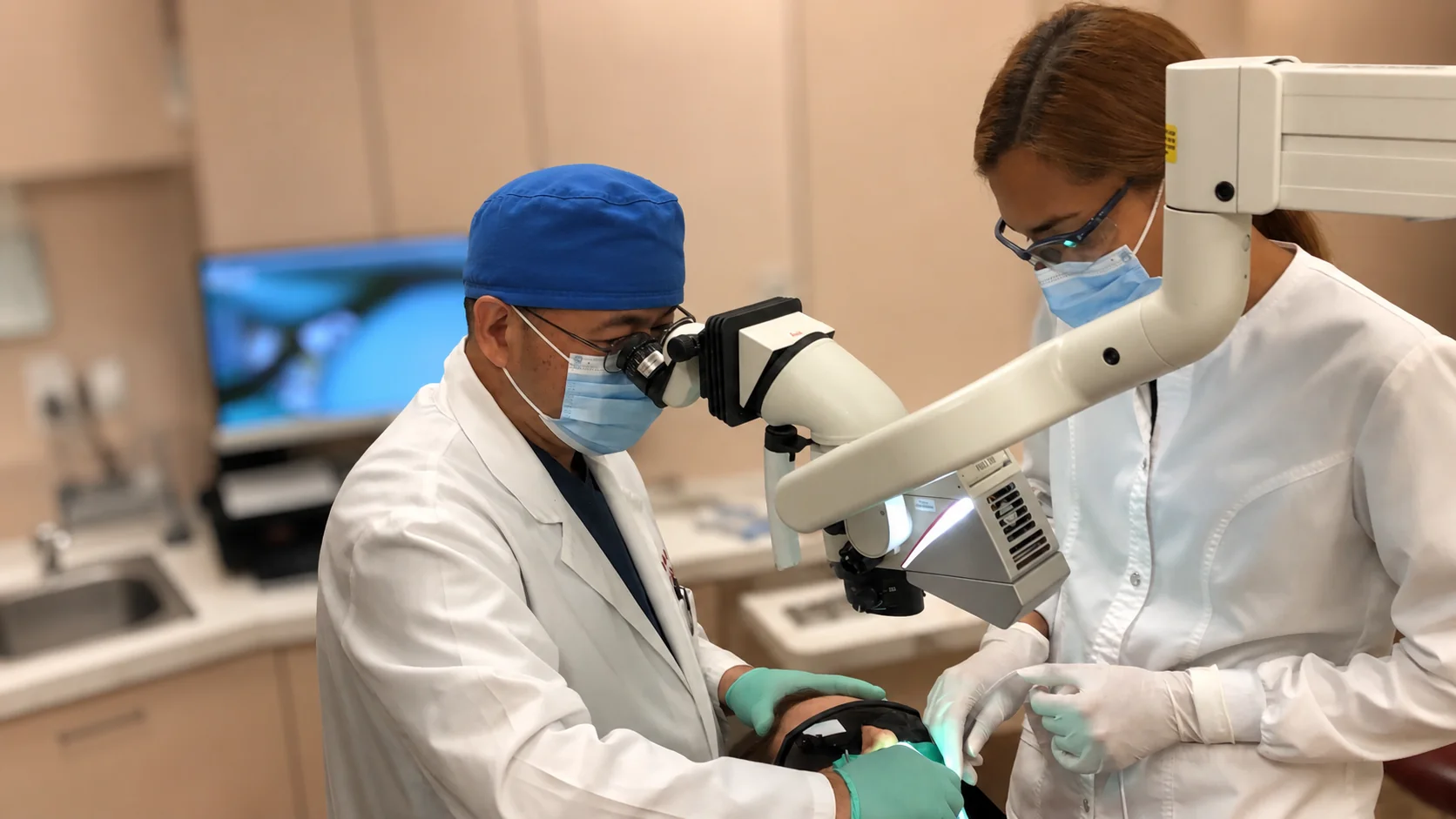
Cone Beam CT Planning · Bone Grafting · Sinus Lift Evaluation · Short Implant Planning · Implant Denture Options · Tooth Replacement
This article is for patient education only and is not a diagnosis or guarantee that implants are possible. Implant candidacy depends on bone height, width, density, sinus and nerve anatomy, gum health, infection control, medical history, smoking, diabetes control, medications, bite forces, hygiene, restorative design, budget, and maintenance compliance. © 2026 SoftDental | Dr. Minh Nguyen DDS PA · 10028 West Road Ste. 108, Houston TX 77064 · 281-807-6111
Questions about your own teeth?
Our team is happy to answer them in person, without pressure. Call us or book a visit.
Educational information only. Not a substitute for a personal exam with a licensed dentist.