
The technology behind safer, faster dental care
Dr. Nguyen invested in the same clinical tools used by leading specialty practices — because better imaging, planning, and visualization lead to better outcomes for you.
Why technology matters in dentistry
Modern dentistry is moving from artistry alone to artistry guided by precision tools. The instruments below let Dr. Nguyen see more clearly, plan more carefully, and treat more conservatively — often in fewer visits.
None of this technology replaces clinical judgment. It supports it. The result, for you, is care that's gentler, more predictable, and easier to understand.
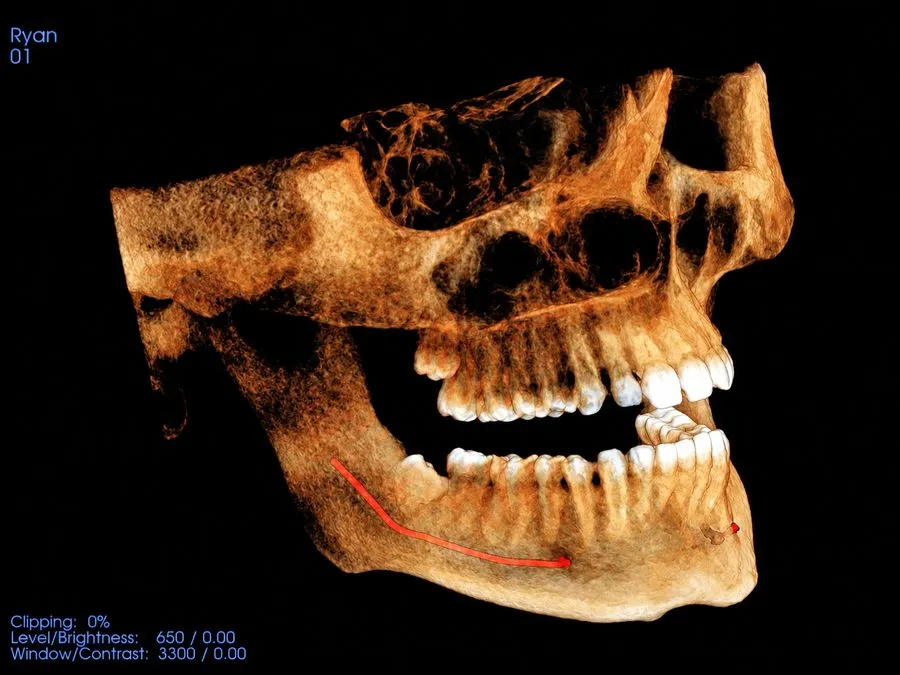
Cone Beam CT (CBCT) — full 3D view of your mouth and jaw
A regular dental X-ray shows you a flat 2D image. A CBCT scan captures a complete 3D model of your teeth, roots, nerves, sinuses, and jawbone in about 20 seconds — at a fraction of the radiation of a medical CT.
- Find hidden infections, fractured roots, and impacted teeth before they cause problems
- Plan implants down to the millimeter — avoiding nerves and sinus floors
- Diagnose airway and jaw-joint issues that are invisible on regular X-rays
- Significantly lower radiation dose than a hospital CT scan
You get a more accurate diagnosis the first time, fewer surprises during treatment, and (for implant patients) safer surgical planning that protects critical structures.
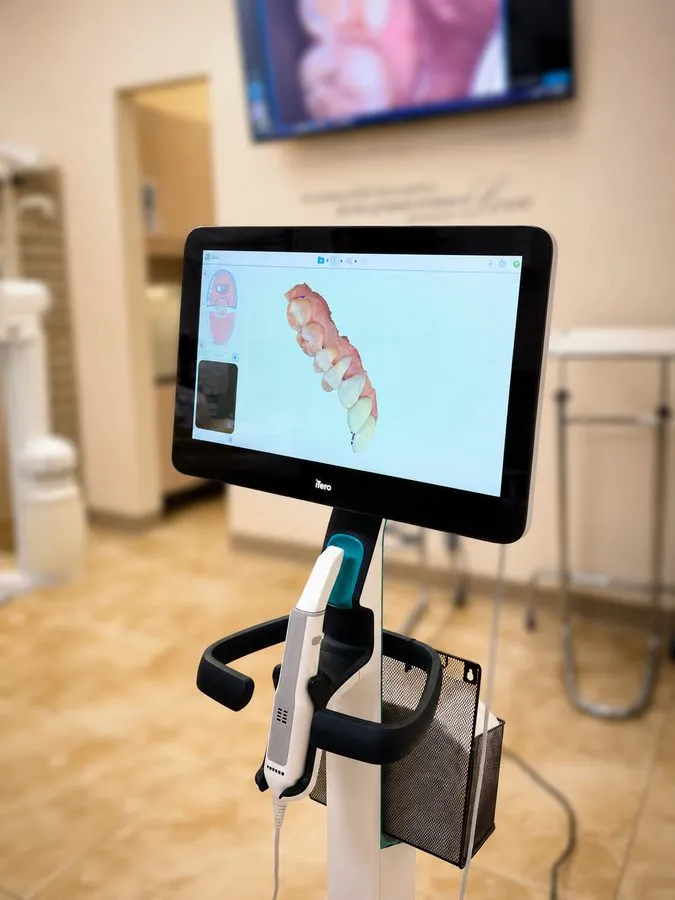
iTero scanner — no more goopy impressions
The iTero scanner creates a detailed digital 3D model of your teeth using a small handheld wand — no trays, no putty, no gagging. The scan is more accurate than traditional impressions and your record is stored digitally forever.
- Comfortable for patients with sensitive gag reflexes or children
- More accurate fit for crowns, bridges, Invisalign trays, and retainers
- See your bite simulated on screen in real time
- Track tooth wear and gum changes year over year
Restorations fit better the first time. Invisalign treatment plans are more precise. And your impression appointment is over in 3–5 minutes — no taste, no mess.
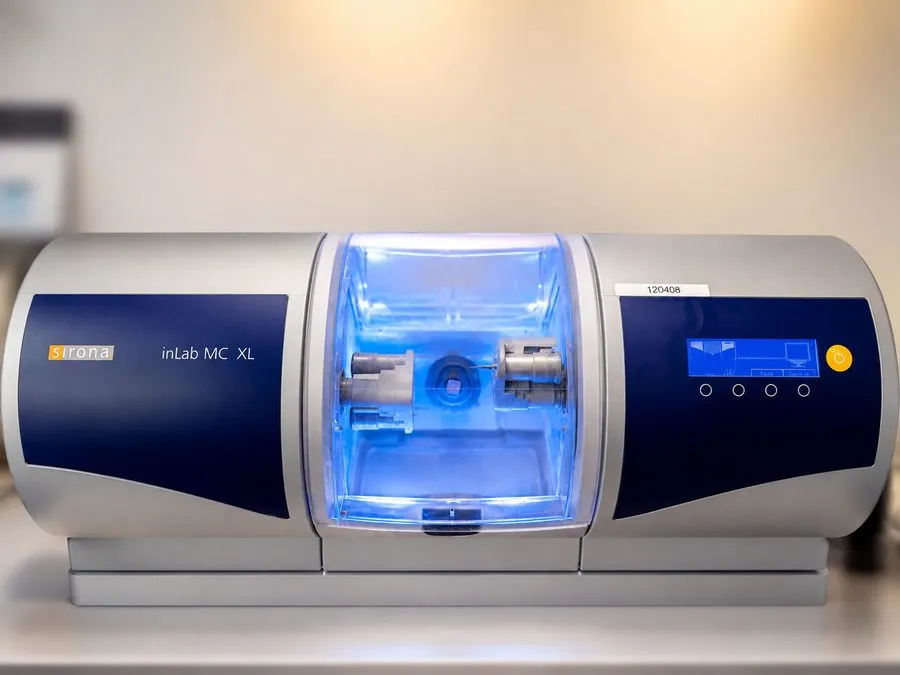
CEREC MC XL — your crown, in one visit
With traditional crowns, you'd wait two to three weeks wearing a temporary crown before your final one arrived from a lab. CEREC lets Dr. Nguyen design, mill, and place a permanent, lab-quality ceramic crown in a single appointment — usually about two hours.
- One appointment instead of two — no temporary crown, no second numbing visit
- Strong, color-matched ceramic that looks like a natural tooth
- Designed and verified in your mouth before it's permanently placed
- Same workflow used for crowns, onlays, and certain veneers
You leave the office with a permanent restoration the same day. No temporary crown to baby. No second time off work. One visit, finished.
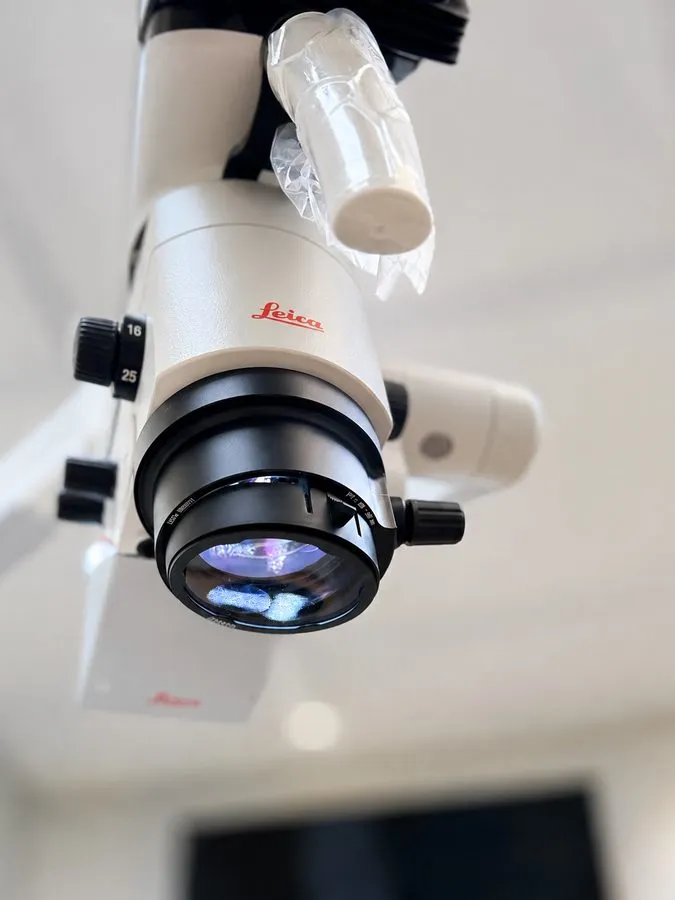
Leica surgical microscopes — up to 20× magnification
Most dental work is done with the naked eye, sometimes with surgical loupes at 2.5–4× magnification. Dr. Nguyen treats with a true surgical microscope — the same kind used in microsurgery and endodontics specialty practices — at up to 20× magnification.
- See cracks and decay invisible to the naked eye
- More conservative preparation — keep more of your natural tooth
- Find canals and root anatomy in root canal treatment that others miss
- Better outcomes in delicate procedures like cosmetic bonding
Smaller fillings. Better-fitting crowns. Root canals that find every canal — not just the obvious ones. The magnification doesn't change what's possible, but it changes how precisely it's done.
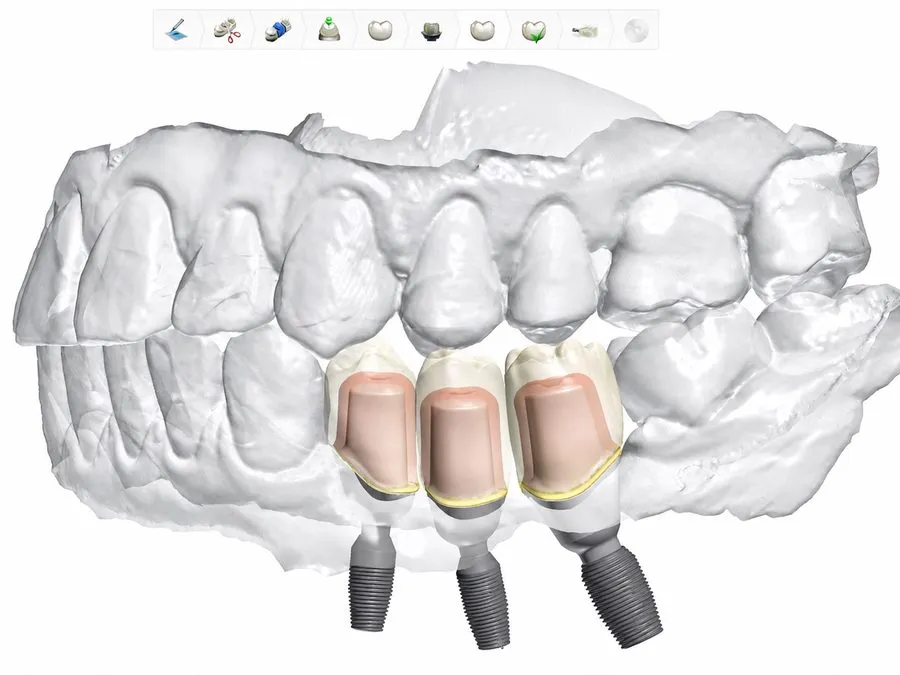
Anatomage — your treatment, planned virtually first
Anatomage combines your CBCT scan and iTero scan into a single 3D model where Dr. Nguyen can simulate procedures before they happen — placing virtual implants, designing surgical guides, or modeling the final restoration before any drilling begins.
- Virtual implant placement — exact position decided before surgery
- Surgical guides printed to match the plan precisely
- Predictable cosmetic outcomes you can preview in 3D
- Better case communication — see your treatment, don't just hear about it
Less guesswork in the chair. Shorter actual surgery time. And, for cosmetic and implant cases, the ability to see and approve your treatment plan before it begins.
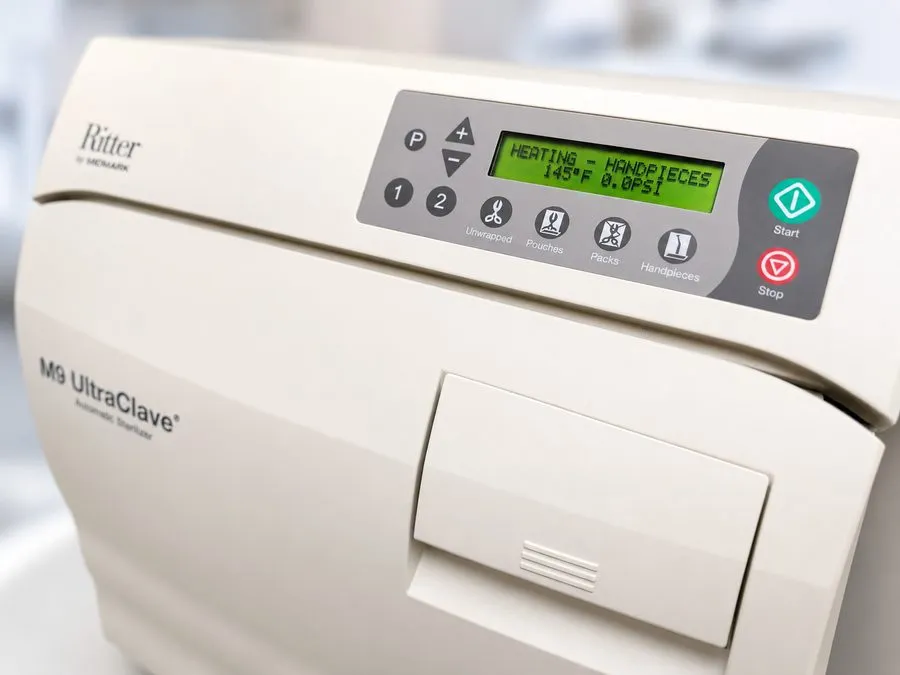
Hospital-grade sterilization — every instrument, every time
Every dental instrument that touches a patient at SoftDental is sterilized in a hospital-grade autoclave that uses pressurized steam at high temperature to eliminate bacteria, viruses, and spores. Instruments are individually pouched, processed, and tracked.
- Steam sterilization meets CDC and ADA infection-control standards
- Each instrument pouch dated and verified before use
- Weekly biological spore testing confirms sterilization effectiveness
- Single-use items (needles, blades, suction tips) discarded after one patient
The instruments used in your treatment are processed to the same standard as a hospital operating room. You shouldn't have to ask — but if you ever wonder, you can always ask to see our sterilization log.
Related at SoftDental
Curious about your own treatment options?
The best way to understand how our technology applies to your specific case is a conversation with Dr. Nguyen. New patient consultations are unhurried — bring your questions.