
Root Canal Post-Operative Instructions | English, Spanish & Vietnamese
These instructions are general aftercare instructions after root canal treatment. If Dr. Nguyen gave you different instructions because of swelling, infection, medication, temporary filling, temporary crown, post/core, or planned crown treatment, follow the instructions given directly to you.
Root Canal Post-Operative Instructions
Numbness and Eating
- Wait until the numbness wears off before eating. This helps prevent biting your cheek, lip, or tongue.
- Start with soft foods and chew on the opposite side if possible.
- Avoid hard, crunchy, sticky, or chewy foods until the tooth is fully restored.
- Do not chew directly on the treated tooth if it has a temporary filling or temporary crown.
Soreness Is Common
The tooth and surrounding gum or bone may feel sore or tender for a few days. Tenderness when biting can also happen, especially if the tooth had infection, swelling, or inflammation before treatment.
- Mild to moderate soreness for a few days can be normal.
- Take pain medication only as directed and only if medically safe for you.
- Call if pain is severe, worsening, or does not improve.
Temporary Filling or Temporary Crown
A temporary filling or temporary crown protects the tooth until the permanent restoration is placed. It is not designed to last forever.
- Do not chew hard foods on the temporary filling or crown.
- Do not floss aggressively around a temporary crown. Pull floss out from the side if instructed, instead of snapping upward.
- Call SoftDental if the temporary filling or crown feels loose, breaks, or comes out.
- Do not delay the final filling or crown because the pain is gone.
Why the Crown or Final Restoration Matters
Root canal treatment cleans and seals the inside of the tooth. It does not make the outside of the tooth stronger. Many root canal teeth, especially back teeth, need a crown because the tooth may already be weakened by decay, cracks, large fillings, or lost tooth structure.
Brushing and Flossing
- Brush and floss gently unless Dr. Nguyen gives different instructions.
- Keep the area clean.
- Be careful around temporary restorations so they do not loosen.
- If you have swelling or soreness, clean gently but do not skip hygiene.
Medication Safety
- Take medications exactly as prescribed or instructed.
- If antibiotics were prescribed, take them exactly as directed and finish the course unless Dr. Nguyen tells you to stop.
- Do not mix prescription pain medicine with alcohol, sleeping pills, or sedating medications unless your doctor says it is safe.
- If you take blood thinners, have liver/kidney disease, stomach ulcers, medication allergies, or are pregnant, confirm medication instructions with the office or physician.
When to Call SoftDental
- Swelling appears or gets worse.
- Fever, pus, bad taste, or bad smell develops.
- Pain is severe, increasing, or not controlled with medication.
- Your bite feels high or the tooth hurts sharply when biting.
- Temporary filling, crown, or restoration breaks, loosens, or comes out.
- You develop rash, itching, trouble breathing, diarrhea, or other medication reaction.
- You cannot chew comfortably or symptoms return after improving.
Instrucciones Después de Tratamiento de Conducto
Entumecimiento y Comida
- Espere hasta que se quite la anestesia antes de comer. Esto ayuda a evitar morderse la mejilla, el labio o la lengua.
- Empiece con comida suave y mastique del lado opuesto si es posible.
- Evite comida dura, crujiente, pegajosa o muy masticable hasta que el diente tenga su restauración final.
- No mastique directamente sobre el diente tratado si tiene relleno temporal o corona temporal.
Es Normal Tener Molestia
El diente y la encía o hueso alrededor pueden sentirse sensibles o adoloridos por unos días. También puede doler al morder, especialmente si el diente tenía infección, hinchazón o inflamación antes del tratamiento.
- Molestia leve o moderada por unos días puede ser normal.
- Tome medicamento para dolor solo como se indica y solo si es seguro para usted.
- Llame si el dolor es fuerte, empeora o no mejora.
Relleno Temporal o Corona Temporal
Un relleno temporal o una corona temporal protege el diente hasta colocar la restauración permanente. No está diseñado para durar para siempre.
- No mastique comidas duras sobre el relleno temporal o corona temporal.
- No use hilo dental con fuerza alrededor de una corona temporal. Si se le indicó, saque el hilo hacia un lado en vez de jalarlo hacia arriba.
- Llame a SoftDental si el relleno temporal o corona temporal se siente flojo, se rompe o se cae.
- No retrase el relleno final o corona solo porque el dolor ya se fue.
Por Qué Importa la Corona o Restauración Final
El tratamiento de conducto limpia y sella el interior del diente. No hace más fuerte la parte exterior del diente. Muchos dientes con tratamiento de conducto, especialmente muelas, necesitan corona porque el diente puede estar débil por caries, grietas, rellenos grandes o pérdida de estructura.
Cepillado e Hilo Dental
- Cepille y use hilo dental suavemente, a menos que Dr. Nguyen le indique otra cosa.
- Mantenga el área limpia.
- Tenga cuidado alrededor de restauraciones temporales para no aflojarlas.
- Si hay hinchazón o dolor, limpie suavemente pero no deje de hacer higiene.
Seguridad con Medicamentos
- Tome los medicamentos exactamente como fueron recetados o indicados.
- Si le dieron antibióticos, tómelos exactamente como se indicó y termine el tratamiento, a menos que Dr. Nguyen le diga que pare.
- No mezcle medicamento recetado para dolor con alcohol, pastillas para dormir o medicamentos que causan sueño, a menos que su doctor diga que es seguro.
- Si toma anticoagulantes, tiene enfermedad del hígado/riñón, úlceras, alergias a medicamentos o está embarazada, confirme las instrucciones con la oficina o su médico.
Cuándo Llamar a SoftDental
- Aparece o empeora la hinchazón.
- Aparece fiebre, pus, mal sabor o mal olor.
- El dolor es fuerte, aumenta o no se controla con medicamento.
- La mordida se siente alta o el diente duele fuerte al morder.
- El relleno temporal, corona o restauración se rompe, afloja o se cae.
- Aparece sarpullido, comezón, dificultad para respirar, diarrea u otra reacción a medicamento.
- No puede masticar cómodamente o los síntomas regresan después de mejorar.
Hướng Dẫn Sau Khi Điều Trị Tủy Răng
Tê Môi/Miệng và Ăn Uống
- Chờ hết tê rồi mới ăn để tránh cắn vào má, môi hoặc lưỡi.
- Bắt đầu bằng thức ăn mềm và nhai bên đối diện nếu có thể.
- Tránh thức ăn cứng, giòn, dính hoặc dai cho đến khi răng được trám/mão vĩnh viễn.
- Không nhai trực tiếp trên răng vừa điều trị nếu đang có miếng trám tạm hoặc mão tạm.
Ê Đau Nhẹ Là Bình Thường
Răng và vùng nướu hoặc xương xung quanh có thể ê, đau nhẹ hoặc nhạy cảm trong vài ngày. Đau khi cắn cũng có thể xảy ra, đặc biệt nếu răng đã bị nhiễm trùng, sưng hoặc viêm trước khi điều trị.
- Ê đau nhẹ đến vừa trong vài ngày có thể là bình thường.
- Chỉ dùng thuốc giảm đau đúng hướng dẫn và khi an toàn cho sức khỏe của quý vị.
- Gọi nếu đau nhiều, đau tăng hoặc không cải thiện.
Trám Tạm hoặc Mão Tạm
Miếng trám tạm hoặc mão tạm bảo vệ răng cho đến khi làm phục hồi vĩnh viễn. Chúng không được thiết kế để dùng lâu dài.
- Không nhai thức ăn cứng trên miếng trám tạm hoặc mão tạm.
- Không dùng chỉ nha khoa quá mạnh quanh mão tạm. Nếu được hướng dẫn, kéo chỉ ra ngang bên hông thay vì kéo bật lên.
- Gọi SoftDental nếu miếng trám tạm hoặc mão tạm bị lỏng, vỡ hoặc rơi ra.
- Không trì hoãn trám vĩnh viễn hoặc làm mão chỉ vì đã hết đau.
Vì Sao Cần Trám/Mão Vĩnh Viễn
Điều trị tủy làm sạch và bít kín bên trong răng. Điều đó không làm phần bên ngoài của răng mạnh hơn. Nhiều răng đã chữa tủy, đặc biệt là răng hàm, cần mão vì răng có thể đã yếu do sâu răng, nứt, miếng trám lớn hoặc mất nhiều cấu trúc răng.
Chải Răng và Dùng Chỉ Nha Khoa
- Chải răng và dùng chỉ nhẹ nhàng, trừ khi Dr. Nguyen dặn khác.
- Giữ vùng răng sạch.
- Cẩn thận quanh miếng trám/mão tạm để không làm lỏng.
- Nếu vùng đó bị sưng hoặc ê, vẫn vệ sinh nhẹ nhàng; không bỏ qua việc làm sạch.
An Toàn Khi Dùng Thuốc
- Uống thuốc đúng theo toa hoặc hướng dẫn.
- Nếu được kê kháng sinh, uống đúng hướng dẫn và uống hết liệu trình, trừ khi Dr. Nguyen dặn ngưng.
- Không dùng thuốc giảm đau theo toa chung với rượu, thuốc ngủ hoặc thuốc gây buồn ngủ khác trừ khi bác sĩ nói an toàn.
- Nếu quý vị dùng thuốc loãng máu, có bệnh gan/thận, loét dạ dày, dị ứng thuốc hoặc đang mang thai, hãy xác nhận hướng dẫn với phòng khám hoặc bác sĩ.
Khi Nào Cần Gọi SoftDental
- Sưng xuất hiện hoặc nặng hơn.
- Có sốt, mủ, vị hôi hoặc mùi hôi.
- Đau nhiều, đau tăng hoặc thuốc không kiểm soát được đau.
- Cảm giác cắn bị cao hoặc răng đau nhói khi cắn.
- Miếng trám tạm, mão hoặc phục hồi bị vỡ, lỏng hoặc rơi ra.
- Có phát ban, ngứa, khó thở, tiêu chảy hoặc phản ứng thuốc khác.
- Không thể nhai thoải mái hoặc triệu chứng quay lại sau khi đã đỡ.
Quick Timeline: What Is Usually Normal?
| Time | Common | Focus |
|---|---|---|
| Same day | Numbness, mild soreness, bite feels different | Do not eat until numbness wears off; avoid chewing on treated tooth |
| Days 1–3 | Tenderness when biting, gum soreness | Soft foods, medication as directed, protect temporary restoration |
| Days 4–7 | Soreness should start improving | Call if pain worsens or bite feels high |
| Next visit | Final filling/crown planning | Do not delay final restoration, especially for back teeth |
Sources and Clinical Basis
American Association of Endodontists: Root Canal Post Treatment Care — explains that patients should follow post-treatment instructions while recovering and especially when a temporary filling or crown is in place.
ADA MouthHealthy: Root Canals — explains that root canals are filled with rubber-like material, a temporary filling may be placed until a permanent filling or crown is completed, and the tooth/area may feel sensitive for a few days.
NHS: Root Canal Treatment — explains that numbness can last for several hours after treatment, the area may feel sore, a temporary filling may be used between appointments, and a crown may be needed if the tooth was badly infected.
Questions after a root canal?
Call before waiting too long.
If your bite feels high, the temporary filling/crown comes loose, swelling develops, or pain is getting worse, contact SoftDental for instructions.
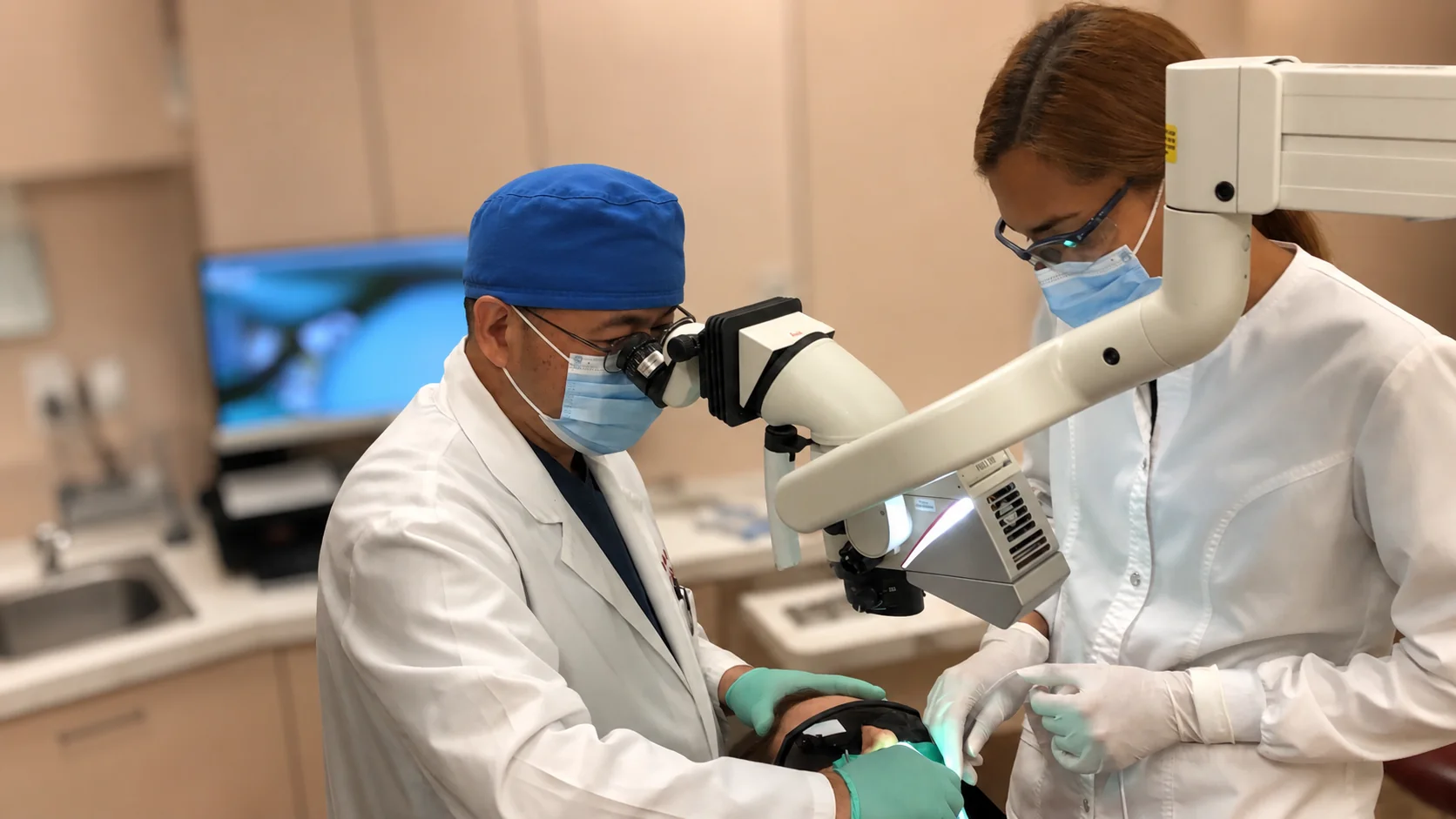
Root Canal Treatment · Temporary Restorations · Crowns After Root Canal · Patient Post-Operative Care
This page is for patient education and postoperative support only. It does not replace the specific instructions given by Dr. Nguyen or the SoftDental team. Instructions may differ depending on infection, swelling, medication, temporary filling, temporary crown, post/core, root canal retreatment, crown plan, and medical history. © 2026 SoftDental | Dr. Minh Nguyen DDS PA · 10028 West Road Ste. 108, Houston TX 77064 · 281-807-6111
Questions about your own teeth?
Our team is happy to answer them in person, without pressure. Call us or book a visit.
Educational information only. Not a substitute for a personal exam with a licensed dentist.