
Dental Misconception: A Hollywood Smile Is Always Healthy
A beautiful smile should be healthy first. At SoftDental, Dr. Nguyen does not believe in cutting healthy teeth just to chase a trend if the patient would be better served by cleaning, gum treatment, whitening, orthodontics, bonding, or more conservative dentistry. Cosmetic dentistry should protect health, not cover disease.
What Patients Mean by a “Hollywood Smile”
When patients say they want a Hollywood smile, they usually mean very white, straight, symmetrical teeth with no spacing, no stains, and a bright smile line. That appearance may be created with whitening, bonding, veneers, crowns, orthodontics, gum treatment, or a combination of procedures.
There is nothing wrong with wanting a more confident smile. The problem begins when appearance becomes more important than diagnosis.
Why White Teeth Are Not Always Healthy Teeth
White teeth can still have cavities between them. Straight teeth can still have gum disease. Veneers can still trap plaque if they are too bulky or have poor margins. Crowns can look beautiful and still have decay under the edge. A smile photo does not show bone loss, gum pockets, cracks, root infection, or bite trauma.
Cavities can hide
Decay between teeth or under old restorations may not be visible in a selfie.
Gum disease can be painless
Gums may bleed, swell, or lose bone even when the teeth look white.
Bite problems are invisible
A smile can look straight while the bite is grinding, chipping, or overloading teeth.
Bad margins can trap plaque
Overhanging, rough, or bulky restorations can irritate gums and collect bacteria.
Bone loss does not show in photos
Periodontal bone loss needs exam, X-rays, and gum measurements.
Grinding can destroy beauty
Bruxism can chip veneers, crack crowns, and wear natural teeth.
Veneers Are Cosmetic — Not a Cure for Dental Disease
The American Dental Association explains that veneers are custom-made coverings used to improve the appearance of teeth that are chipped, stained, crooked, misshapen, or spaced. Cleveland Clinic states clearly that veneers are cosmetic: they improve a smile, but they do not necessarily strengthen or repair teeth. Serious oral health issues should be treated before cosmetic treatment.
Who May Not Be a Good Candidate for Veneers Right Away?
Some patients need health treatment before cosmetic treatment. WebMD notes that veneers may not be a good choice for patients with unhealthy teeth, active decay, active gum disease, weakened teeth, not enough enamel, or grinding/clenching risk.
| Concern | Why it matters before veneers/crowns | What may be needed first |
|---|---|---|
| Active cavities | Decay can continue under or around cosmetic work. | Fillings, onlays, crowns, or cavity control. |
| Gum disease | Inflamed gums and bone loss can make cosmetic results unstable. | Deep cleaning, periodontal maintenance, gum therapy. |
| Weak or cracked teeth | A veneer may not be strong enough if the tooth needs structural protection. | Crown, onlay, root canal evaluation, bite protection. |
| Severe grinding | Bruxism can chip or break veneers/crowns. | Nightguard, bite evaluation, stronger material planning. |
| Major crowding or bite issue | Cutting teeth for instant straightness may harm healthy structure. | Braces, Invisalign, or orthodontic evaluation. |
| Poor hygiene access | Cosmetic work can fail if the patient cannot clean it. | Oral hygiene training, cleaning, contour correction. |
Over-Contoured Crowns and Veneers Can Harm Gums
Cosmetic dentistry should be natural, cleanable, and gentle to the gums. Restorations that are too bulky or poorly shaped can trap plaque and irritate tissue. A dental literature review notes that excessively contoured restorations, poor emergence profiles, and rough or overhanging margins can encourage plaque accumulation and gingival inflammation.
Another study summary reported that over-contoured restorations can produce detrimental effects on periodontal tissue, including gingival inflammation, recession, and pocket formation. This is why Dr. Nguyen focuses not only on color and shape, but also on margins, gum health, and cleaning access.
Visual Guide: Pretty Smile vs. Healthy Smile
Good cosmetic dentistry should look natural, protect gum health, allow cleaning, and respect the bite.
Why “Instant Straight Teeth” Can Be Risky
Some patients want very fast results by placing crowns or veneers over the whole mouth instead of doing braces or Invisalign. That may look fast, but it can require cutting natural tooth structure. If teeth are healthy but crowded, orthodontics may be safer than aggressive cosmetic preparation.
Dr. Nguyen does not recommend cutting many healthy teeth just to make them look straight faster when orthodontic movement would protect the patient’s natural enamel, bite, and long-term dental health.
A Healthy Smile Needs More Than White Teeth
| What patients see | What Dr. Nguyen must also check |
|---|---|
| Color | Decay risk, enamel thickness, staining cause, whitening safety. |
| Straightness | Bite, crowding, gum recession risk, orthodontic stability. |
| Shape | Natural contours, cleaning access, black triangles, tooth proportions. |
| Smile line | Gum health, symmetry, bone level, recession, inflammation. |
| Veneer/crown appearance | Margins, cement, overhangs, roughness, emergence profile. |
| Photo result | Function, chewing comfort, long-term maintenance, patient hygiene. |
Gum Disease Can Hide Behind a Nice Smile
Gum disease is not always painful. The American Academy of Periodontology explains that gingivitis can cause red, swollen gums that bleed easily and usually has little or no discomfort. Untreated gingivitis can advance to periodontitis. The CDC explains periodontal disease involves inflammation and infection of the gum and bone tissues that surround and support the teeth.
This matters because veneers, crowns, bonding, and whitening do not cure periodontal disease. If gums are infected or bone support is unstable, cosmetic results may not last.
What SoftDental Checks Before Cosmetic Dentistry
Exam and X-rays
Check cavities, existing restorations, tooth structure, root health, and hidden problems between teeth.
Gum and bone evaluation
Check bleeding, periodontal pockets, recession, bone loss, and whether gums are stable enough for cosmetic work.
Bite and grinding check
Look for clenching, wear, chipped edges, high bite forces, and nightguard needs.
Tooth position and alignment
Decide whether braces/Invisalign would be healthier than cutting teeth for crowns or veneers.
Conservative option review
Discuss whitening, bonding, contouring, orthodontics, or gum treatment before irreversible cosmetic work.
Maintenance plan
Plan how the patient will clean and protect the final result long term.
Cosmetic Options: Conservative First When Possible
| Concern | Conservative option | More aggressive option |
|---|---|---|
| Yellow teeth | Professional whitening or custom trays. | Veneers/crowns only if color cannot be managed conservatively. |
| Mild chips | Bonding or smoothing. | Veneers/crowns if structural or cosmetic need is greater. |
| Crowding | Braces or Invisalign. | Crowns/veneers only when clinically justified. |
| Small gaps | Orthodontics or bonding. | Veneers if shape/color goals require it. |
| Old failing restorations | Repair, onlay, crown depending on tooth strength. | Full-mouth crowns only if teeth truly need full coverage. |
| Gum asymmetry | Gum evaluation, cleaning, laser/gingivectomy if appropriate. | Major smile design only after gum health is stable. |
Warning Signs a “Pretty Smile” May Not Be Healthy
Bleeding gums
Bleeding when brushing or flossing is not a sign of health.
Food trapping
Food stuck around veneers/crowns may mean open contacts or bulky contours.
Bad smell or taste
Can indicate plaque traps, decay, gum disease, or failing restorations.
Bite pain
Can mean crack, high bite, nerve issue, or crown/veneer overload.
Receding gums
Roots or restoration edges may become exposed and sensitive.
Chipping or loosening
May indicate grinding, poor bonding, weak enamel, or bad bite forces.
Maintenance After Cosmetic Dentistry
Cosmetic dentistry still needs maintenance. Veneers and crowns can chip, debond, stain at the margins, trap plaque, or need replacement over time. Teeth underneath and gums around them must stay clean and healthy.
| Maintenance step | Why it matters |
|---|---|
| Brush and floss daily | Protects margins and gums from plaque inflammation. |
| Use recommended cleaning tools | Water flossers, floss threaders, or interdental brushes may be needed. |
| Wear a nightguard if recommended | Protects veneers/crowns from grinding and clenching. |
| Avoid chewing ice or hard objects | Reduces chip/fracture risk. |
| Keep routine checkups | Allows Dr. Nguyen to check margins, gum health, decay, bite, and wear. |
| Do not ignore bleeding or odor | Cosmetic work should not smell, bleed, or trap food every day. |
SoftDental’s Honest Message
A healthy smile can be beautiful. A beautiful smile should also be healthy. But a Hollywood smile is not automatically good dentistry. If cosmetic work damages healthy teeth, traps plaque, ignores gum disease, or overloads the bite, the patient may pay more later to fix problems that could have been prevented.
A Hollywood smile is not healthy just because it is white. Healthy means the gums are stable, the bone is strong, the bite is balanced, the margins are cleanable, and the teeth are protected for the long term.
— Dr. Minh Nguyen, D.D.S., P.A. · SoftDental HoustonSources and Further Reading
ADA MouthHealthy: Veneers — explains veneers are custom-made coverings used to improve appearance of chipped, stained, crooked, misshapen, or spaced teeth.
Cleveland Clinic: Dental Veneers — states veneers are cosmetic, improve the smile, and do not necessarily strengthen or repair teeth; serious oral health issues should be addressed before cosmetic treatment.
WebMD: Dental Veneers — notes veneers may not be a good choice for patients with unhealthy teeth, active decay, active gum disease, weakened teeth, insufficient enamel, or clenching/grinding risk.
American Academy of Periodontology: Gum Disease Information — explains gingivitis causes red, swollen gums that bleed easily and often has little or no discomfort; untreated gingivitis can advance to periodontitis.
CDC: About Periodontal Disease — explains periodontal disease involves inflammation and infection of gum and bone tissues that support teeth and emphasizes oral hygiene and regular dental care.
Want a beautiful smile?
Start with a healthy foundation.
SoftDental can evaluate your gums, teeth, bite, X-rays, old restorations, whitening options, orthodontic needs, and conservative cosmetic choices before irreversible dental work.
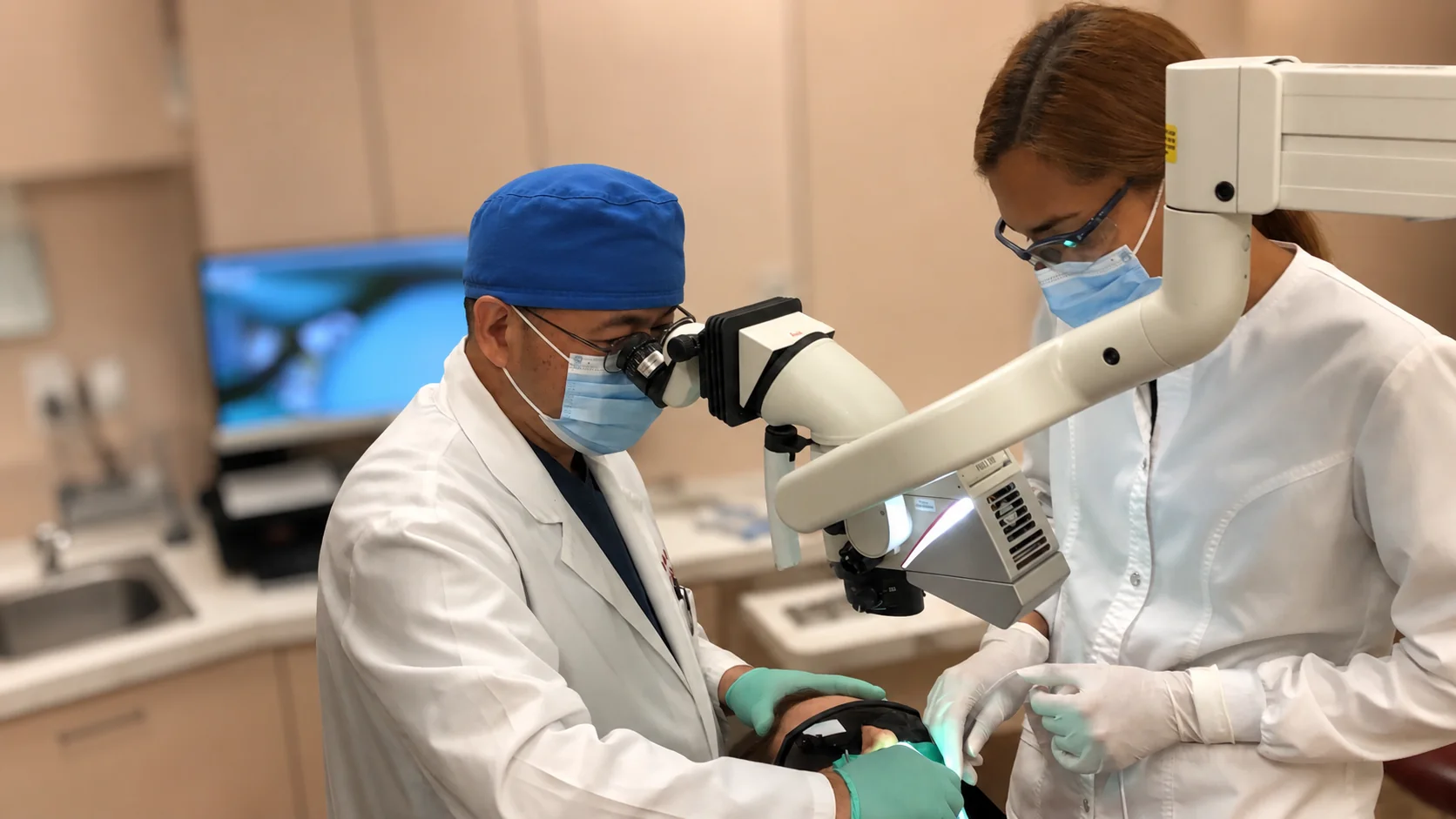
Cosmetic Smile Evaluation · Veneers · Crowns · Whitening · Invisalign · Gum Health · Bite Protection
This article is for patient education only and is not a diagnosis or guarantee of cosmetic or dental treatment outcome. Cosmetic treatment planning depends on tooth structure, enamel, decay risk, gum health, bone support, bite forces, grinding, oral hygiene, smile goals, budget, and long-term maintenance. © 2026 SoftDental | Dr. Minh Nguyen DDS PA · 10028 West Road Ste. 108, Houston TX 77064 · 281-807-6111
Questions about your own teeth?
Our team is happy to answer them in person, without pressure. Call us or book a visit.
Educational information only. Not a substitute for a personal exam with a licensed dentist.