
PFM vs. e.max vs. Zirconia Crowns: What Patients Should Know
Many patients ask, “Which crown is best?” The honest answer is: the best crown depends on the tooth, the bite, the smile line, the remaining tooth structure, and the patient’s long-term goals. A front-tooth veneer, a back-molar crown, and a crown after root canal treatment do not all need the same material.
First: What Is a Crown and What Is a Veneer?
A crown covers the visible part of a tooth. It is used when a tooth needs strength, protection, or full coverage because of fracture, large filling, deep decay, root canal treatment, or severe wear.
A veneer usually covers only the front surface of a tooth. Veneers are mainly used to improve color, shape, spacing, minor chips, or cosmetic symmetry. They are different from crowns because they do not wrap around the entire tooth.
What Is a PFM Crown?
PFM means porcelain fused to metal. This crown has a metal substructure underneath and porcelain layered over the outside. For many years, PFM crowns were widely used because metal provided strength and porcelain gave a tooth-colored appearance.
PFM crowns can still work. However, dentistry has changed. Today, modern all-ceramic materials such as zirconia and lithium disilicate/e.max allow dentists to restore many teeth without hiding a metal coping underneath the porcelain.
PFM strength
The metal base provides strength, which is why PFM crowns were historically popular for back teeth and bridges.
PFM limitation
The metal edge can sometimes show as a dark line near the gum, especially if gums recede over time.
Layering issue
PFM is a layered crown. The porcelain layer can chip, exposing the underlying metal or creating rough edges.
Why SoftDental Usually Uses e.max or Zirconia
At SoftDental, Dr. Nguyen generally recommends e.max or zirconia crowns instead of traditional PFM crowns. The goal is not to choose the newest material just because it is new. The goal is to choose the material that protects the tooth, looks natural, handles the patient’s bite, and serves the patient well long term.
PFM crowns have porcelain layered over metal. e.max and zirconia are metal-free ceramic options commonly used in modern restorative dentistry. Gold remains a special-case option when requested and clinically appropriate.
Better esthetics
All-ceramic crowns avoid the gray metal line that can appear with some PFM crowns as gums change over time.
Strong modern ceramics
Zirconia is known for high strength. e.max is known for combining strength with beautiful translucency.
No metal substructure
Many patients prefer metal-free crowns, especially in visible areas or when they are concerned about metal appearance.
Material Comparison: Which One Fits Which Situation?
| Material | Best use | Advantages | Limitations |
|---|---|---|---|
| e.max / lithium disilicate | Front teeth, premolars, cosmetic crowns, veneers, selected back teeth | Very natural appearance, good translucency, metal-free, strong when used correctly | May not be the first choice for severe grinders or very high bite-force back molars |
| Zirconia | Molars, bridges, implant crowns, patients with stronger bite forces | High strength, metal-free, durable, good for back teeth and heavy function | Can look less translucent than e.max in highly cosmetic front-tooth cases, depending on type and shade |
| PFM | Historically used for many crowns and bridges | Strong metal substructure, long track record | Possible gray gum-line appearance, porcelain chipping risk, less ideal esthetics than modern ceramics |
| Gold | Selected back teeth when patient requests it and appearance is not a concern | Durable, conservative in some preparations, kind to opposing teeth in selected cases | Metal color, higher material cost, not usually chosen for visible smile areas |
| Porcelain veneer | Cosmetic improvement of front tooth color, shape, spacing, or minor chips | Conservative compared with a crown when the tooth is healthy enough | Not designed for weak, cracked, heavily filled, or root-canal-treated teeth that need full coverage |
Why “Full Porcelain” Does Not Always Mean the Same Thing
Patients often say “porcelain crown” to mean any white crown. In dentistry, that phrase can mean several different materials. e.max is a lithium disilicate ceramic. Zirconia is a different type of ceramic with different strength and appearance properties. Feldspathic porcelain may be used for veneers in cosmetic cases. PFM has porcelain on the outside but metal underneath.
Why Dr. Nguyen Usually Avoids PFM Crowns
PFM crowns are not “bad.” They helped millions of patients for decades. But in many modern cases, Dr. Nguyen can provide a more esthetic, metal-free restoration using e.max or zirconia.
The gum line can change
As gums recede with age, brushing trauma, periodontal disease, or bone changes, a PFM crown may show a dark edge from the metal underneath. This is especially noticeable on front teeth.
Porcelain can chip off metal
PFM crowns are layered. The porcelain is fused onto metal. Heavy bite, grinding, or trauma can chip the porcelain layer and reveal the metal base.
Modern ceramics can be strong and beautiful
Zirconia and e.max allow Dr. Nguyen to choose between strength, translucency, esthetics, and function without automatically relying on a metal substructure.
Where Gold Crowns Still Fit
Some patients ask for gold crowns, especially on back teeth. Gold can be an excellent restorative material in selected cases because it is durable and can be kind to the opposing tooth. It is not tooth-colored, so it is usually not chosen for visible smile areas.
At SoftDental, gold crowns are considered an exception, not the routine choice. If a patient requests gold, Dr. Nguyen evaluates the tooth location, bite, space, gum health, tooth structure, and patient preference before recommending it.
How Dr. Nguyen Chooses the Right Material
There is no one crown material that is best for every patient. Dr. Nguyen evaluates:
Tooth location
Front teeth need more esthetic blending. Back teeth need more chewing strength.
Remaining tooth structure
A tooth with a large filling, crack, or root canal needs different protection than a mostly healthy tooth.
Bite force and grinding
Heavy bite or clenching may change the material choice and may require a night guard.
Shade and smile line
Highly visible teeth may need material with better translucency and customized shade matching.
Gum and hygiene health
Healthy gums and clean margins help crowns last longer and look better.
Long-term maintenance
Crowns and veneers still need brushing, flossing, cleaning visits, and bite monitoring.
Veneers vs Crowns: Do Not Over-Treat Healthy Teeth
Some patients want a fast “perfect smile” and ask for crowns on many teeth. Dr. Nguyen is conservative with natural tooth structure. If a tooth is healthy and the main concern is color, shape, or minor spacing, a veneer, whitening, bonding, or orthodontic option may be more conservative than a crown.
A crown requires more tooth reduction than a veneer because it covers the whole tooth. That is appropriate when the tooth needs full protection — but it is not ideal when the tooth is healthy and only needs cosmetic improvement.
Patient Questions Before Choosing a Crown or Veneer
Is the tooth weak or mostly healthy?
Weak, cracked, heavily filled, or root-canal-treated teeth often need crowns. Mostly healthy cosmetic teeth may be better treated with veneers or less invasive options.
Is this a front tooth or a back tooth?
Front teeth often need more natural translucency. Back teeth often need more strength.
Do I grind or clench?
Grinding changes the risk of chipping, fracture, wear, and material failure. A night guard may be recommended.
Do I care more about strength, appearance, or both?
The best crown balances function and esthetics. The same material is not always ideal for every tooth.
A crown should protect the tooth, fit the bite, look natural, and respect the patient’s long-term dental health. At SoftDental, we usually choose e.max or zirconia because modern ceramics allow us to restore teeth beautifully without relying on a metal substructure. Gold remains an option for selected patients who request it and when the clinical situation supports it.
— Dr. Minh Nguyen, D.D.S., P.A. · SoftDental HoustonSources and Further Reading
American Dental Association, MouthHealthy: Veneers — explains that veneers cover the front surface of teeth and are different from crowns because crowns cover the entire tooth structure.
American Dental Association, MouthHealthy: Crowns — explains crown uses including protecting weak teeth, restoring broken teeth, and covering implants.
CADTH / NCBI Bookshelf: Porcelain-Fused-to-Metal Crowns versus All-Ceramic Crowns — discusses the historical use of PFM crowns and increasing use of all-ceramic materials such as lithium disilicate and zirconia.
Need a crown or veneer?
Choose the material with a plan.
Dr. Nguyen will evaluate your tooth, bite, gums, smile line, and long-term risk before recommending e.max, zirconia, veneer treatment, or a selected gold crown option.
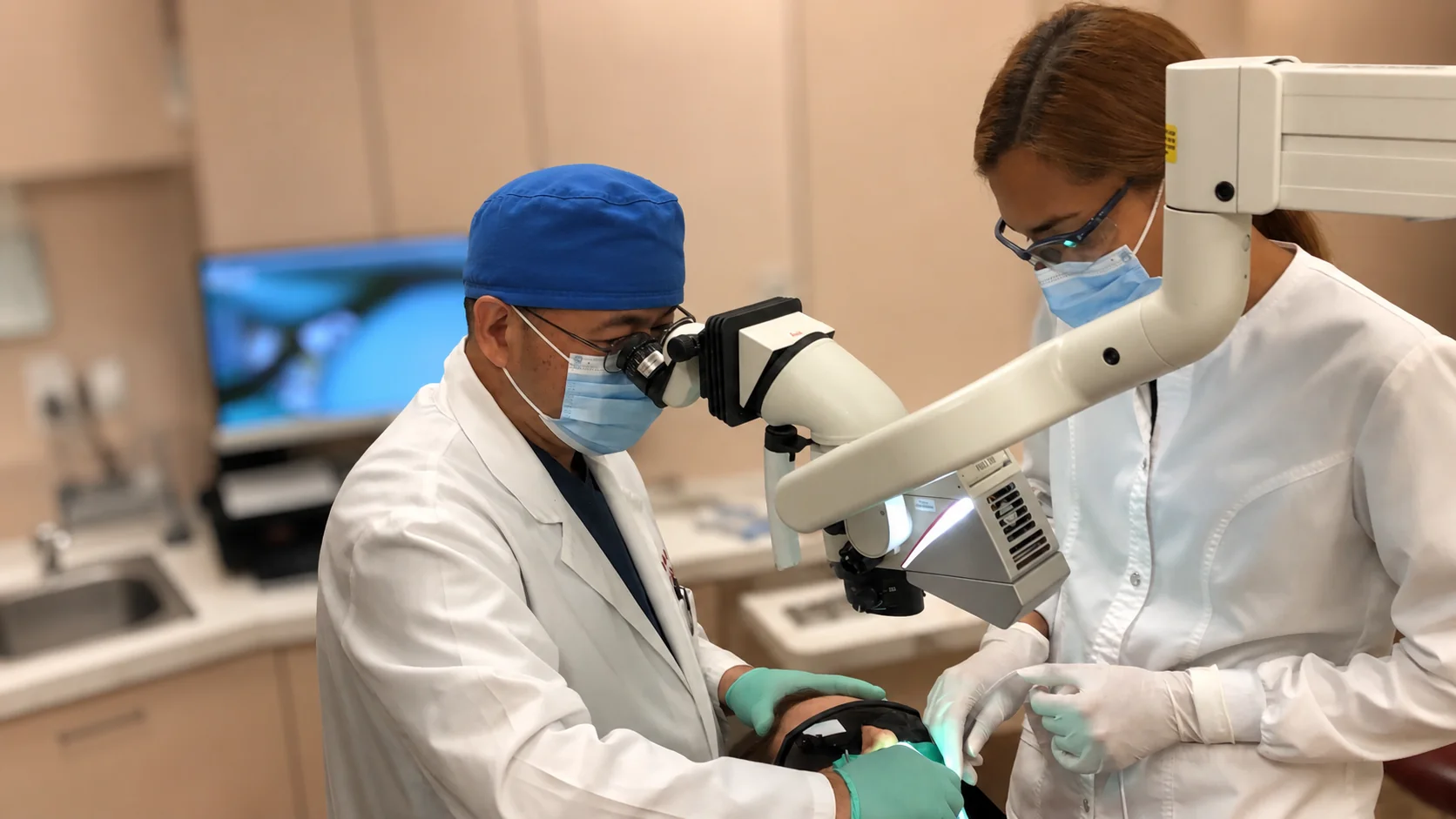
e.max Crowns · Zirconia Crowns · Veneers · Selected Gold Crown Cases
This article is for patient education only and is not a diagnosis or guarantee of treatment outcome. Crown and veneer material selection depends on the individual tooth, bite, gum health, X-rays, cosmetic goals, remaining tooth structure, grinding risk, and clinical findings. © 2026 SoftDental | Dr. Minh Nguyen DDS PA · 10028 West Road Ste. 108, Houston TX 77064 · 281-807-6111
Questions about your own teeth?
Our team is happy to answer them in person, without pressure. Call us or book a visit.
Educational information only. Not a substitute for a personal exam with a licensed dentist.