
Things to Consider Before Braces: Why Straight Teeth Are About Health, Not Just Looks
Many patients come to SoftDental because they want straighter teeth. That is a reasonable goal. But before starting braces, clear aligners, or any cosmetic dental treatment, Dr. Nguyen wants patients to understand one important principle: the healthiest treatment is usually the one that gives a better smile while preserving as much natural tooth structure as possible.
Braces Are Not Only Cosmetic
Braces and clear aligners are often advertised as smile treatments. They can absolutely improve confidence and appearance. But orthodontics is also about function. A healthy bite means your upper and lower teeth meet in a way that allows you to chew, speak, clean, and protect your teeth from uneven stress.
When teeth are crowded, rotated, spaced, or biting in the wrong position, the problem may be more than appearance. Misalignment can make plaque harder to remove, contribute to gum inflammation, create food traps, cause abnormal enamel wear, and place too much pressure on certain teeth.
Easier cleaning
Straighter teeth can be easier to brush and floss because there are fewer tight overlaps and food traps.
Better chewing
A healthier bite helps teeth work together instead of forcing a few teeth to carry too much pressure.
Less abnormal wear
When teeth hit unevenly, enamel may chip, flatten, crack, or wear faster over time.
More confidence
Cosmetic improvement still matters. Many patients smile more comfortably after orthodontic treatment.
What We Look at Before Recommending Braces
Not everyone is automatically ready for braces or aligners on the first visit. Orthodontic treatment moves teeth through bone. That means the teeth, gums, bone, bite, and home-care habits all need to be evaluated before treatment starts.
At SoftDental, the first exam normally includes an iTero digital scan of the whole mouth. This scan helps Dr. Nguyen evaluate tooth position, crowding, spacing, bite relationship, and whether the patient may be a good candidate for braces or clear aligners.
Whole-mouth iTero digital scan
The scanner creates a 3D digital model of the teeth. Patients can see crowding, spacing, bite issues, and possible treatment concerns more clearly than with a mirror alone.
No messy impression materialDental and gum-health check
Dr. Nguyen checks for cavities, gum inflammation, bone loss, recession, loose teeth, old restorations, and areas that may need treatment before orthodontics.
Health before movementBite and jaw relationship review
The bite is evaluated to see how the top and bottom teeth meet. Some cases are simple. Other cases require more complex planning or specialist referral.
Function mattersCandidate discussion
Dr. Nguyen explains whether braces, clear aligners, restorative treatment, periodontal treatment, or a referral would be the safest next step.
Personalized planOrthodontic planning is not only about a straighter smile. The goal is to improve tooth position, bite force, cleaning access, and long-term tooth protection.
Are You a Good Candidate Right Now?
A good braces or aligner candidate is not simply someone with crooked teeth. The mouth must be healthy enough to move teeth safely. If the gums are inflamed, cavities are active, or bone support is weak, orthodontic treatment may need to wait until those issues are controlled.
| Factor | Why it matters before braces |
|---|---|
| Cavities | Active decay should usually be treated before braces because brackets or aligners can make plaque control more difficult. |
| Gum health | Inflamed gums, bleeding, periodontal pockets, or bone loss may need treatment first. Teeth should not be moved through unhealthy support tissues without careful planning. |
| Oral hygiene | Braces require excellent brushing and flossing. Poor hygiene during treatment can lead to white spots, cavities, swollen gums, and bad breath. |
| Bite complexity | Some bite problems are simple. Others involve jaw relationship, missing teeth, severe crowding, or worn teeth and need more advanced planning. |
| Patient commitment | Aligners must be worn as directed. Braces require follow-up visits, careful cleaning, food changes, and retainers after treatment. |
The Dangerous Shortcut: “Can I Just Crown All My Teeth?”
Some patients want a fast result: perfectly straight, white teeth in a short time. They ask if they can skip braces and place crowns on the whole mouth instead. Dr. Nguyen generally does not recommend full-mouth crowns as a shortcut for crooked teeth when the natural teeth are otherwise healthy enough for orthodontic treatment.
Crowns are excellent when a tooth is broken, heavily filled, cracked, weakened, root-canal treated, or structurally damaged. But using crowns only to make healthy crooked teeth look straight usually requires removing natural tooth structure. Once tooth structure is removed, it does not grow back.
Natural enamel is removed
To fit a crown, the tooth must be shaped. That means healthy enamel and dentin may be reduced even if the tooth was not damaged.
Sensitivity or nerve problems
Some teeth become sensitive after aggressive tooth preparation. In certain cases, the nerve may become irritated and need root canal treatment later.
Crowns are not forever
Crowns may need repair or replacement over a lifetime. A full-mouth crown case can create long-term maintenance costs.
Bite risk
Changing many teeth at once changes the bite. If not planned carefully, it can cause soreness, chipping, jaw discomfort, or uneven pressure.
Braces vs. Full-Mouth Crowns: What Is the Real Difference?
| Question | Braces / Clear Aligners | Full-Mouth Crowns for Straight Teeth |
|---|---|---|
| Main goal | Move natural teeth into better position and improve bite alignment. | Change the visible shape, color, and angle of teeth by covering them. |
| Tooth structure | Usually preserves natural tooth structure. | Requires reshaping teeth; more invasive and usually irreversible. |
| Speed | Takes time because teeth move biologically through bone. | Can look faster, but at the cost of more tooth preparation. |
| Best for | Crowding, spacing, rotated teeth, bite correction, cosmetic alignment with healthy teeth. | Broken, cracked, heavily filled, worn, root-canal treated, or structurally compromised teeth. |
| Long-term care | Requires retainers after treatment. | Requires crown maintenance, possible replacement, and monitoring for decay at crown margins. |
| SoftDental view | Preferred when the goal is to straighten healthy teeth conservatively. | Not recommended as a shortcut when healthier orthodontic treatment is appropriate. |
Questions to Ask Before Starting Braces
The safest answer depends on your teeth, gums, bone, bite, smile goals, and discipline with home care. There is no one-size-fits-all answer, which is why the first exam and scan matter.
How to Protect Your Teeth During Orthodontic Treatment
Brush carefully
Brush around brackets, gumlines, and attachments. Electric brushes can help, but technique matters more than the brand.
Clean between teeth
Use floss threaders, interdental brushes, water flossers, or aligner-safe hygiene tools as recommended.
Limit sugar frequency
Sipping sweet drinks all day can increase cavity risk, especially around brackets or under aligners.
Keep appointments
Regular visits allow the dental team to monitor movement, hygiene, gum health, and bite changes.
When a patient asks me for crowns on every tooth just to make the teeth look straight faster, I slow the conversation down. A crown is not a shortcut like makeup. It changes the tooth permanently. If braces or aligners can give a healthier result while preserving natural teeth, that is usually the better long-term decision.
— Dr. Minh Nguyen, D.D.S., P.A. · SoftDental, Houston TXFinal Takeaway
Braces and clear aligners can improve appearance, but their deeper value is health: better cleaning access, better bite function, less uneven wear, and better long-term protection of the teeth.
If you are considering orthodontic treatment, start with a careful exam, a full-mouth iTero scan, and an honest conversation about what is safest for your teeth. A fast result is not always the best result. The best result is the one that improves your smile while protecting your natural teeth for the future.
Want straighter teeth the healthy way?
Schedule an orthodontic consultation at SoftDental. Dr. Nguyen can scan your mouth with iTero, evaluate your bite, and explain whether braces or clear aligners are appropriate for you.
Clinical and patient-education sources used
- American Association of Orthodontists — orthodontic treatments — explains that orthodontic treatment can support proper teeth and jaw function and that untreated orthodontic problems may contribute to tooth decay, gum disease, and abnormal enamel wear.
- ADA MouthHealthy: Orthodontics — explains that orthodontics helps create a healthy bite, and that a good bite makes it easier to bite, chew, and speak.
- iTero / Align Technology — iTero digital scanning and orthodontic software tools help support patient education, treatment planning, and visualization.
- ADA MouthHealthy: Crowns — explains that crowns are used to protect weak teeth, restore broken teeth, cover implants, and support teeth with large restorations.
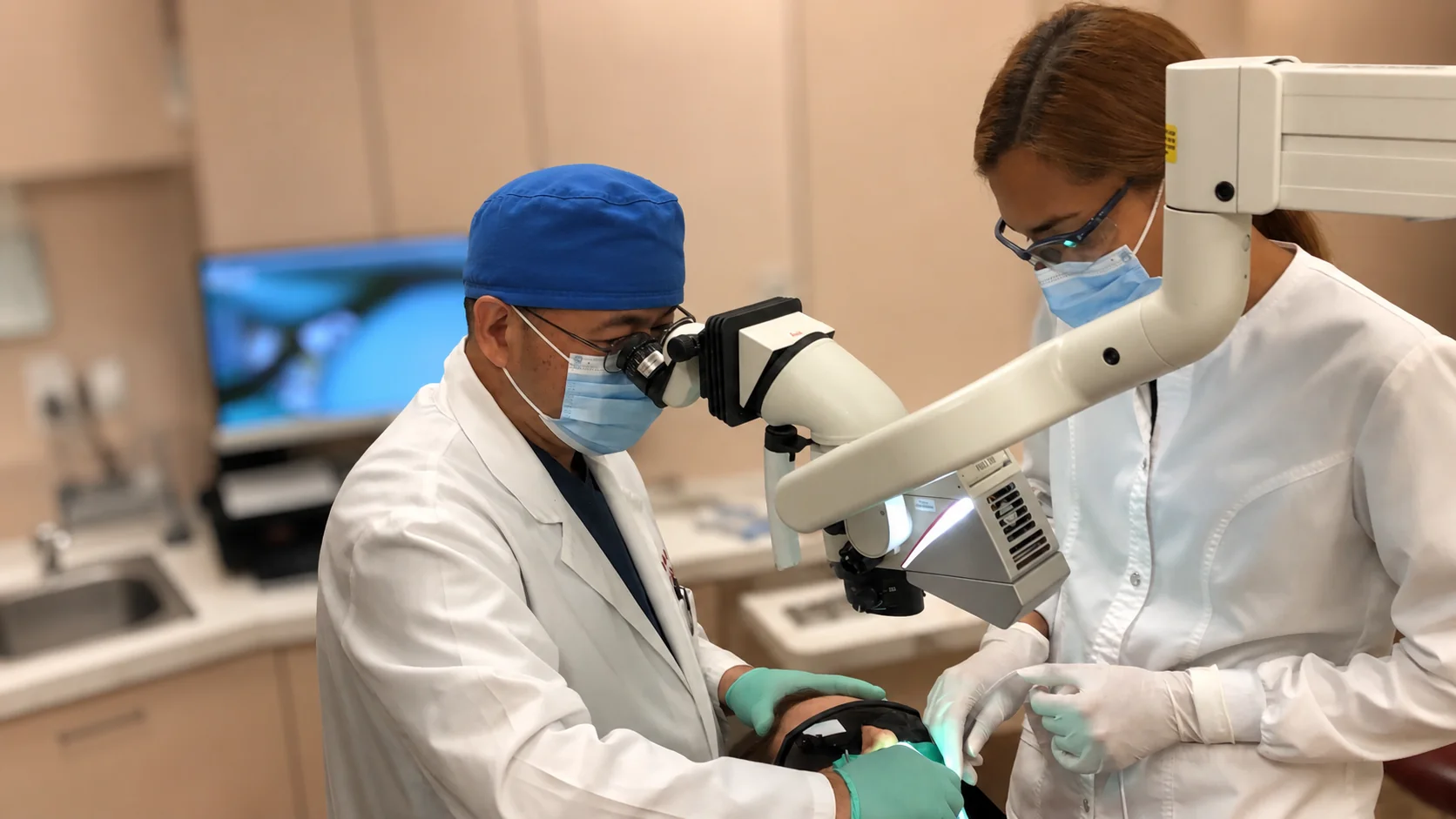
iTero Digital Scanner · Conservative Tooth-Protective Treatment Planning
This article is for patient education only and is not a diagnosis or a guarantee of treatment outcome. Braces, clear aligners, crowns, veneers, and restorative treatment all require an exam, X-rays or scans when indicated, and individualized clinical judgment. © 2026 SoftDental | Dr. Minh Nguyen DDS PA · 10028 West Road Ste. 108, Houston TX 77064 · 281-807-6111
Questions about your own teeth?
Our team is happy to answer them in person, without pressure. Call us or book a visit.
Educational information only. Not a substitute for a personal exam with a licensed dentist.