
Periodontal Disease: Why Bleeding Gums Can Affect Your Whole Body
Most patients do not lose teeth because they are old. They lose teeth because bacteria, tartar, inflammation, bone loss, diabetes, smoking, dry mouth, genetics, and missed maintenance visits were allowed to work quietly for years. Periodontal disease is silent at first. By the time teeth feel loose, the foundation has already been damaged.
What Is Periodontal Disease?
Periodontal disease, also called gum disease, is an infection and inflammatory disease of the tissues that hold your teeth in place: the gums, ligament, and bone. It usually starts with plaque, the sticky film of bacteria that forms on the teeth every day. When plaque is not removed well, it hardens into tartar. Tartar cannot be brushed away at home; it must be removed professionally.
The first stage is gingivitis: red, swollen, tender, or bleeding gums. At this stage, the bone has not usually been destroyed, and the disease can often be reversed with better home care and a professional cleaning.
The more serious stage is periodontitis. The gums pull away from the teeth and create deeper pockets. Bacteria and tartar hide under the gumline. The immune system tries to fight the infection, but the chronic inflammation begins to damage the ligament and bone around the tooth. Over time, teeth can shift, loosen, hurt when chewing, or need to be removed.
In a healthy mouth, the gum creates a tight seal around the tooth and the bone level is stable. In periodontitis, the gum pocket deepens, bacteria and tartar collect below the gumline, and the supporting bone gradually disappears.
Why Gum Disease Can Affect Your Whole Health System
Your mouth is not separate from your body. The gums have a blood supply. When gum pockets are chronically infected, bacteria and inflammatory chemicals can enter the bloodstream. Medical research has repeatedly found associations between periodontitis and systemic diseases, especially diabetes and cardiovascular disease. The most accurate way to explain it is this: gum disease does not prove that you will develop heart disease, diabetes complications, or dementia, but it can add inflammatory stress to a body that may already be fighting other problems.
This matters because many periodontal patients already have overlapping risk factors: diabetes, smoking, high blood pressure, poor sleep, dry mouth from medications, stress, pregnancy hormone changes, or a family history of early tooth loss.
Diabetes & Blood Sugar
Diabetes and periodontitis have a two-way relationship. High blood sugar makes gum infections harder to control; gum inflammation may make blood sugar harder to manage. Research shows periodontal treatment can improve HbA1c in many diabetic patients.
Heart & Blood Vessels
Periodontal disease is associated with atherosclerotic cardiovascular disease. Inflammation, oral bacteria, and shared risk factors may help explain the link. This is not a substitute for cardiology care, but gum health belongs in a heart-health conversation.
Pregnancy Health
Hormonal changes can make gums more reactive to plaque during pregnancy. Untreated periodontitis has been associated with poor pregnancy outcomes, including preterm birth and low birth weight. Dental care is important during pregnancy.
Brain & Inflammation
Research into the oral-systemic connection has found links between oral diseases and conditions such as dementia. The exact causes are still being studied, but chronic inflammation is a major suspected pathway.
Breathing & Immune Defense
The mouth opens into the respiratory tract. When harmful bacteria build up in the mouth, they may be swallowed or breathed in. Good oral hygiene lowers the bacterial load your immune system must handle every day.
Nutrition & Quality of Life
Periodontitis is a leading cause of tooth loss. Missing teeth can make it harder to chew vegetables, protein, and healthy foods. Tooth loss can also affect speech, confidence, and daily comfort.
The Diabetes Connection: The Most Important Link for Many Patients
If you have diabetes, prediabetes, or a family history of diabetes, gum health becomes even more important. High blood sugar can weaken immune defense, slow healing, increase dry mouth, and feed a bacterial environment that makes gum disease worse. At the same time, infected gum pockets create inflammation that may make blood sugar harder to control.
A Cochrane review of randomized trials found that periodontal treatment, including deep cleaning below the gumline, reduced HbA1c by an average of about 0.43 percentage points after 3 to 4 months in people with diabetes and periodontitis compared with no active treatment or usual care. That does not replace medication, nutrition, or medical care. It means your dentist may be an important part of your diabetes care team.
Why Some Patients Get Gum Disease Even When They Brush
Some patients feel embarrassed when they are diagnosed with periodontal disease. They should not. Gum disease is not always a simple hygiene problem. It is a multifactorial disease: bacteria start the process, but the patient's immune response, genetics, medical history, hormones, smoking history, bite, dry mouth, and ability to clean between teeth all influence the outcome.
If gum disease runs in your family, you need a prevention plan earlier.
Research suggests inherited factors can influence periodontal susceptibility. Some patients lose bone faster, develop deeper pockets at a younger age, or show more inflammation than expected from the amount of plaque present. Genetic risk does not mean tooth loss is unavoidable. It means you cannot manage your mouth like a low-risk patient.
Ask about family tooth loss
If parents or siblings lost teeth early, tell your dentist. Family history changes how aggressively we monitor gum pockets and bone levels.
Get baseline measurements
Periodontal charting and X-rays help identify whether bone loss is stable or progressing. Guessing is not enough.
Use the right home tools
High-risk patients usually need more than a manual toothbrush: power brush, interdental brushes, floss, or a water flosser.
Stay on maintenance
After treatment, many high-risk patients need periodontal maintenance every 3 to 4 months, not a basic cleaning twice a year.
How We Diagnose Gum Disease Before Teeth Get Loose
A visual exam alone is not enough. Periodontal disease hides under the gumline. At SoftDental, a gum-health evaluation may include:
Periodontal Pocket Measurements
A small periodontal probe measures the space between the tooth and gum. Healthy pockets are usually 1-3 mm. Deeper pockets can mean gum detachment, inflammation, or bone loss.
Numbers matterBleeding and Inflammation Score
Bleeding during probing shows where the gums are inflamed. Patients often think bleeding is from brushing too hard, but frequent bleeding usually means the tissue is not healthy.
Bleeding is a warning signDental X-Rays to Check Bone Level
X-rays show whether the bone around the teeth is stable or has dropped. Bone loss is the difference between simple gingivitis and periodontitis.
Bone is the foundationRisk Review
We review smoking or vaping, diabetes, pregnancy, medications that cause dry mouth, grinding, bite trauma, family history, and previous gum treatment.
Personalized careRegular Cleaning vs. Deep Cleaning: They Are Not the Same
Patients often ask why they need a deep cleaning instead of a regular cleaning. The difference is where the bacteria and tartar are located.
| Type of Care | What It Means | Who Usually Needs It |
|---|---|---|
| Regular cleaning | Removes plaque, tartar, and stains above the gumline and slightly under the gum edge when the foundation is healthy. | Patients with healthy gums or mild gingivitis without bone loss. |
| Scaling and root planing | A deep cleaning below the gumline. Scaling removes plaque and tartar from the pocket; root planing smooths the root so the gum can heal and reattach more favorably. | Patients with periodontal pockets, bleeding, tartar under the gums, and/or bone loss. |
| Periodontal maintenance | Ongoing gum maintenance after active periodontal treatment. It is more detailed than a basic cleaning because the disease can recur. | Patients previously diagnosed with periodontitis, especially those with genetic risk, diabetes, smoking history, or deeper pockets. |
How to Keep Your Teeth for Life: A Practical Gum-Care Plan
If you have periodontal disease or a family history of tooth loss, your daily routine must be more precise. Brushing harder is not the answer. Cleaning smarter is.
1. Brush at the gumline twice daily
Use a soft brush or electric toothbrush. Angle the bristles toward the gumline and brush gently for two minutes. Scrubbing hard can cause recession and sensitivity.
2. Clean between the teeth every day
Toothbrush bristles cannot fully clean between teeth. Use floss, interdental brushes, soft picks, or a water flosser recommended by your dental team.
3. Use the tool that fits the space
Tight teeth may need floss. Open spaces or recession often clean better with interdental brushes. Implants and bridges may need special threaders or a water flosser.
4. Do not ignore bleeding
If bleeding continues after 1 to 2 weeks of careful cleaning, schedule an exam. Persistent bleeding usually means there is inflammation, tartar, or pocketing that home care cannot fix alone.
5. Control dry mouth
Many medications reduce saliva. Saliva protects teeth and gums. Drink water, ask about dry-mouth products, and avoid constant sipping of acidic or sugary drinks.
6. Manage diabetes and smoking risk
Blood sugar control and avoiding tobacco are major periodontal protectors. Smoking also makes gum treatment less successful and slows healing.
7. Stay on periodontal maintenance
If you are told to return every 3 or 4 months, that is not a sales suggestion. It is a disease-control interval designed to remove bacteria before bone loss progresses.
8. Protect teeth from grinding
Grinding does not cause bacteria, but it can overload teeth that already have bone loss. If you clench, wake with jaw soreness, or wear teeth down, ask about a night guard.
When to Call the Dentist Right Away
Gums bleed often
Bleeding when brushing, flossing, or eating is one of the most common warning signs of inflammation.
Bad breath does not go away
Persistent bad breath can come from bacteria under the gums, not just the tongue or food.
Teeth feel loose or shifting
Mobility may mean the bone and ligament support are weakening. This should be evaluated quickly.
Gums are receding
Recession can expose roots, create sensitivity, trap plaque, and make teeth look longer.
Pain when chewing
Chewing pain can mean infection, bite trauma, deep pockets, cracked teeth, or abscess.
Family history of early tooth loss
If relatives lost teeth young, you should not skip periodontal measurements and X-rays.
Gum disease is not a cleaning problem; it is a foundation problem. When we control the bacteria, reduce inflammation, monitor bone levels, and teach patients the right home tools, we are not just saving teeth. We are helping protect comfort, nutrition, confidence, and whole-body health.
— Dr. Minh Nguyen, D.D.S., P.A. · SoftDental, Houston TXDo your gums bleed, smell bad, or feel loose? Do not wait.
Periodontal disease is easier to control when we find it early. If you have bleeding gums, diabetes, dry mouth, family history of gum disease, or have been told you need a deep cleaning, schedule a gum-health evaluation at SoftDental.
Clinical sources reviewed
- CDC: Gum Disease Facts
- National Institute of Dental and Craniofacial Research: Periodontal Disease
- American Dental Association: Oral-Systemic Health
- Cochrane: Periodontal Treatment and Glycemic Control
- American Heart Association: Periodontal Disease and ASCVD
- European Federation of Periodontology: Stage I-III Periodontitis Guidelines
- CDC: Pregnancy and Oral Health
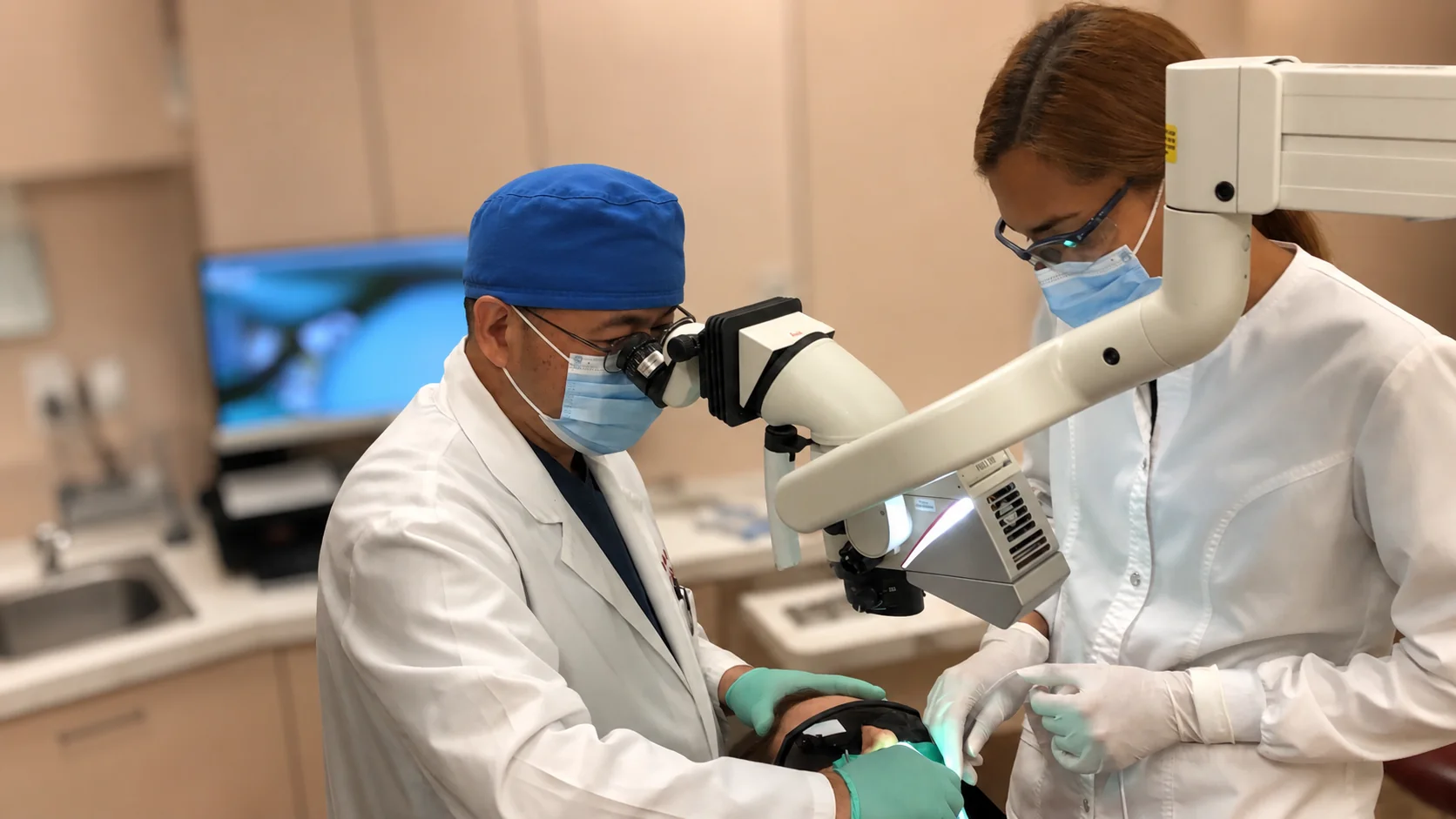
Periodontal Screening · Deep Cleaning / Scaling and Root Planing · Long-Term Gum Maintenance
This article is for patient education only and is not medical advice. Periodontal disease diagnosis and treatment recommendations require an in-person dental examination, periodontal charting, and appropriate dental X-rays. Patients with diabetes, heart disease, pregnancy, immune conditions, or complex medical histories should continue care with their physician. © 2026 SoftDental | Dr. Minh Nguyen DDS PA · 10028 West Road Ste. 108, Houston TX 77064 · 281-807-6111
Questions about your own teeth?
Our team is happy to answer them in person, without pressure. Call us or book a visit.
Educational information only. Not a substitute for a personal exam with a licensed dentist.