
Receding Gums: Causes, Sensitivity, Treatment & Prevention
Gum recession happens slowly. Many patients do not notice it until a tooth looks longer, the gumline looks uneven, or one area suddenly feels sharp and sensitive to cold water. The important message is simple: gum recession should not be ignored. Even if it does not hurt today, it can expose the root and make the tooth more vulnerable over time.
What Does Gum Recession Mean?
Gum recession means the gum tissue has pulled away from the tooth, exposing more of the tooth or the root surface. The root is not covered by strong enamel like the crown of the tooth. That is why exposed roots can become sensitive, worn, notched, or more prone to decay.
Recession can affect one tooth, a few teeth, or many teeth. It can happen on the front side of the teeth where patients can see it, or between the teeth where only a dental exam can measure it.
When gum tissue recedes, the root surface becomes exposed. This can make the tooth sensitive and more vulnerable to root cavities, notching, and gum problems.
Common Symptoms of Receding Gums
Gum recession can be painless at first. That is why many patients miss the early signs. Watch for these symptoms:
Cold sensitivity
Cold water, air, or ice cream may cause a sharp zing because the root surface is exposed.
Longer-looking teeth
The tooth may look longer because the gumline has moved down or away from its original position.
Pain when brushing
Brushing near the gumline may feel tender, especially if the root surface is exposed or notched.
Notches near gumline
Some patients develop grooves or worn areas near the gumline from abrasion, grinding, or acid wear.
Bleeding or swollen gums
Bleeding can signal gum inflammation or periodontal disease, which can worsen recession.
Bad breath or pockets
Deep gum pockets can trap plaque and bacteria, making the area harder to clean at home.
Why Do Gums Recede?
Gum recession usually has more than one cause. A patient may brush too hard, have thin gum tissue, grind at night, and also have plaque buildup. Treating recession properly starts with finding the reason it is happening.
| Cause | What happens | What may help |
|---|---|---|
| Periodontal disease | Plaque and tartar cause gum inflammation and bone loss. As support is lost, gums can pull away and pockets can form. | Periodontal evaluation, deep cleaning/scaling and root planing, periodontal maintenance, home-care improvement. |
| Brushing too hard | A hard toothbrush or scrubbing motion can wear the gumline and root surface over time. | Soft toothbrush, gentle circular technique, electric toothbrush pressure sensor, hygiene coaching. |
| Grinding or clenching | Heavy bite forces can stress the teeth and supporting tissue, especially around thin gum areas. | Night guard, bite evaluation, treating cracked or overloaded teeth. |
| Crooked teeth or thin bone | Teeth positioned outside the ideal bone envelope may have thinner gum support and higher recession risk. | Orthodontic evaluation, careful gum monitoring, referral if needed. |
| Genetics and thin gum tissue | Some patients naturally have thinner gum tissue and are more vulnerable to recession. | More careful brushing, regular dental monitoring, possible gum graft evaluation. |
| Tobacco use | Smoking and tobacco use increase gum disease risk and can affect healing. | Smoking cessation support, periodontal maintenance, closer gum monitoring. |
| Piercings or habits | Lip/tongue piercings, nail biting, toothpicks, or repeated trauma can irritate the gumline. | Remove the irritant, stop the habit, monitor tissue healing. |
Why Gum Recession Causes Sensitivity
The crown of the tooth is protected by enamel. The root is covered by cementum and dentin, which are softer and more porous. When gums recede, the exposed root can send temperature and pressure changes toward the nerve inside the tooth.
Sensitivity does not always mean a cavity, but it should be checked. Gum recession, root cavities, cracked teeth, failing fillings, grinding damage, and gum disease can all cause sensitivity.
Treatment Options for Receding Gums
Treatment depends on the cause, severity, symptoms, and risk of future damage. Dr. Nguyen will evaluate the recession, measure gum pockets, review X-rays, check your bite, and look for cavities or root wear.
Correct brushing technique
For mild recession caused by brushing trauma, changing technique can stop the damage from getting worse. Use a soft brush and gentle pressure. Do not scrub sideways at the gumline.
First-line preventionDesensitizing toothpaste or fluoride
For sensitive exposed roots, desensitizing toothpaste, prescription fluoride, or fluoride varnish may reduce sensitivity and help protect the root surface.
Sensitivity controlDental bonding over exposed root areas
If the root surface is notched, worn, or very sensitive, tooth-colored bonding may cover and protect the exposed area. This is not always appropriate if gum disease is active.
Root protectionPeriodontal cleaning or deep cleaning
If plaque, tartar, inflammation, or gum pockets are contributing to recession, periodontal treatment may be needed. This can include scaling and root planing followed by periodontal maintenance.
Treat the infection sourceNight guard or bite treatment
If grinding or clenching contributes to gumline damage, a night guard may help reduce overload and protect teeth and restorations.
Protect from bite forceGum graft or periodontal referral
For moderate to severe recession, thin tissue, root exposure, or esthetic concerns, Dr. Nguyen may discuss gum grafting or refer to a periodontist for specialized gum treatment.
Advanced casesPatient Tips to Prevent Gum Recession From Getting Worse
Use a soft toothbrush
Hard bristles do not clean better. They can injure gum tissue and wear root surfaces.
Light pressure
Hold the brush gently. If bristles flatten quickly, you are probably brushing too hard.
Clean between teeth daily
Floss, interdental brushes, or water flossers help remove plaque that brushing cannot reach.
Ask about grinding
Morning jaw soreness, worn teeth, cracked fillings, or gumline notches can point to clenching or grinding.
Avoid tobacco
Smoking and tobacco increase gum disease risk and can slow healing after treatment.
Keep maintenance visits
If you have periodontal disease or genetic gum problems, 3–4 month periodontal maintenance may be safer than waiting 6 months.
What Not to Do
When to See Dr. Nguyen
Schedule an evaluation if you notice:
Teeth look longer or gumline looks uneven
This can mean the gum is moving away from the tooth.
Cold sensitivity or brushing pain
Exposed root surfaces can be sensitive, but cavities and cracks must also be ruled out.
Bleeding, swelling, bad breath, or deep pockets
These may signal gum disease that needs periodontal treatment.
Notches or grooves near the gumline
These can come from brushing abrasion, grinding, bite stress, acid erosion, or a combination.
Gum recession is not something patients should feel embarrassed about. It is common, and it often has multiple causes. The important thing is to find the reason early, protect the exposed root, control sensitivity, and prevent the recession from getting worse.
— Dr. Minh Nguyen, D.D.S., P.A. · SoftDental HoustonSources and Further Reading
Cleveland Clinic: Gum Recession — defines gum recession as gum tissue pulling away from teeth and exposing roots; lists causes such as aggressive brushing, smoking, and genetics; notes treatment can prevent worsening.
National Institute of Dental and Craniofacial Research: Periodontal Gum Disease — explains gum disease is caused by plaque and tartar buildup and can progress to bone loss, painful chewing, loose teeth, or tooth loss.
American Academy of Periodontology: Gum Disease Information — explains gingivitis, periodontitis, inflammation, bleeding gums, and the importance of professional treatment and home care.
NIDCR periodontal statistics — reports that periodontal disease remains a significant public health problem, with about 2 in 5 adults age 30 or older affected by some form of gum disease.
Cleveland Clinic: Gum Disease Treatment — reviews nonsurgical and surgical gum disease treatments aimed at reducing infection and rebuilding damaged tissues.
Are your teeth sensitive near the gumline?
Find the cause before it gets worse.
Dr. Nguyen can evaluate your gum recession, sensitivity, brushing technique, bite force, gum pockets, and X-rays to create a practical plan to protect your teeth.
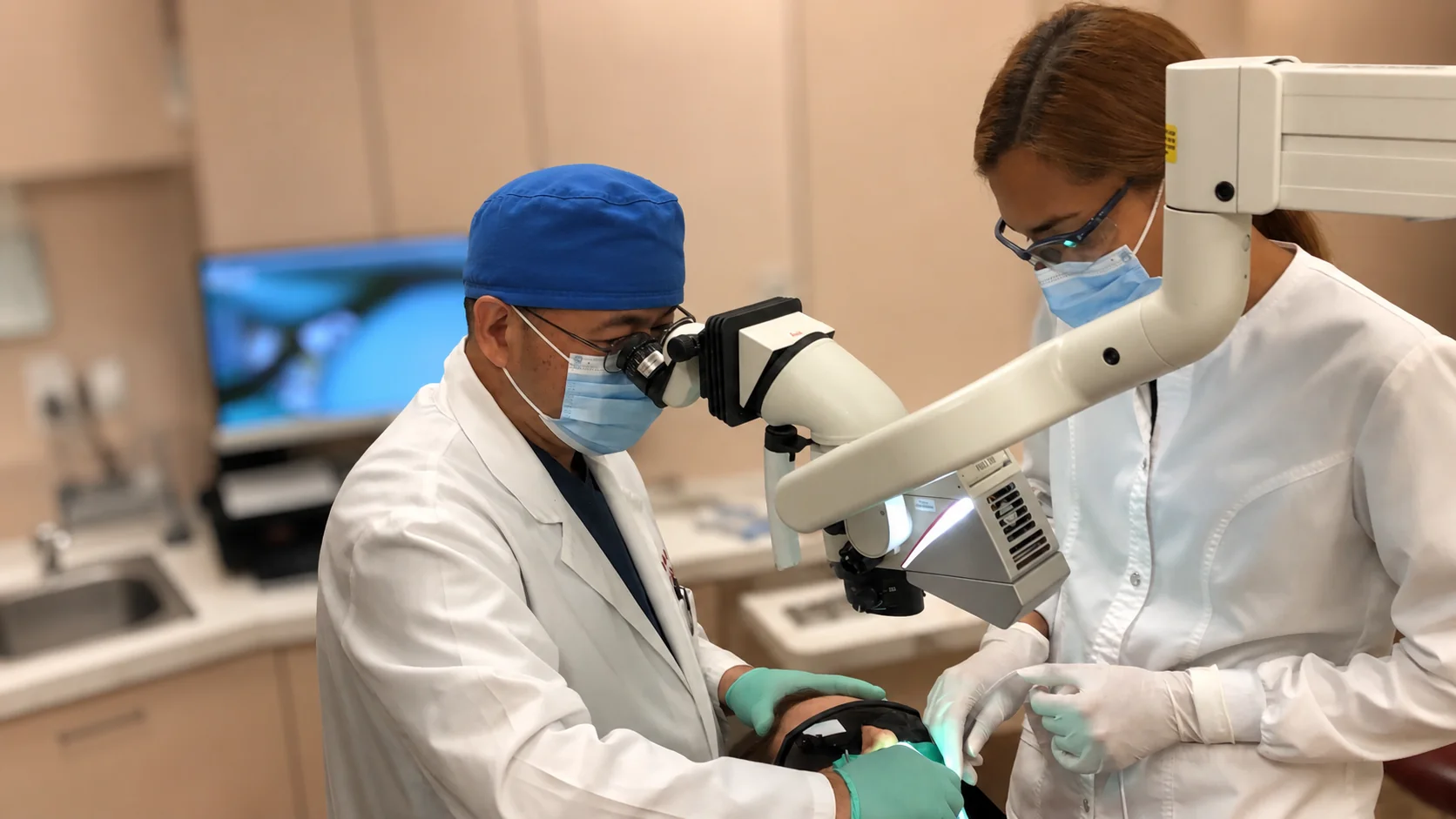
Gum Recession Evaluation · Sensitive Teeth Treatment · Periodontal Maintenance
This article is for patient education only and is not a diagnosis or guarantee of treatment outcome. Gum recession treatment depends on the cause, severity, gum measurements, X-rays, bone support, bite, medical history, and home-care habits. Some cases may require referral to a periodontist. © 2026 SoftDental | Dr. Minh Nguyen DDS PA · 10028 West Road Ste. 108, Houston TX 77064 · 281-807-6111
Questions about your own teeth?
Our team is happy to answer them in person, without pressure. Call us or book a visit.
Educational information only. Not a substitute for a personal exam with a licensed dentist.