
Dental Misconception: Deep Cleaning Makes Teeth Loose
Deep cleaning does not make healthy teeth loose. Teeth feel loose when the bone and ligament support around them have already been damaged by periodontal disease. Sometimes heavy tartar acts like a dirty “cement” holding weak teeth together. When it is removed, patients finally notice the looseness that gum disease already caused.
What Is Deep Cleaning?
The dental name for deep cleaning is scaling and root planing. It is a cleaning below the gumline used to treat gum disease. The American Dental Association explains that gum disease starts when plaque bacteria inflame the gums. The gums can pull away from teeth and form pockets where more plaque becomes trapped.
Scaling removes plaque and tartar from above and below the gumline. Root planing smooths the root surface so bacteria have a harder time reattaching and the gums can heal more effectively.
Where the Misconception Comes From
Some patients say, “My teeth felt tighter before the deep cleaning.” That can happen for a few reasons, but it does not mean the cleaning damaged the teeth.
Tartar can act like a false splint
Heavy tartar may hold loose teeth together temporarily, but it is also full of bacteria that damage the bone.
Bone loss was already present
The tooth feels loose because the supporting bone has been damaged by periodontal disease.
Swelling starts to reduce
Inflamed swollen gums may feel tighter before treatment. After cleaning, tissues begin changing and healing.
The problem becomes visible
Once buildup is removed, patients can see recession, spaces, or mobility that were hidden.
Cleaning exposes reality
The deep cleaning did not cause the damage; it revealed the level of support remaining.
Waiting makes it worse
Refusing treatment allows bacteria under the gums to keep destroying support.
Gum Disease Is What Makes Teeth Loose
Teeth are held by bone, gum, and periodontal ligament. When plaque and tartar stay under the gums, the immune system reacts to the bacteria. Over time, this can destroy bone support around the teeth. The ADA states that attachment and bone loss in periodontal disease are related to the body’s immune response to plaque biofilm and its byproducts.
Cleveland Clinic notes that red, swollen gums, bleeding when brushing, and slightly loose teeth can all be signs of periodontal disease, and untreated gum disease can eventually lead to tooth loss.
Visual Guide: Tartar Can Hide Bone Loss
The tartar was not healthy support. It was infected buildup hiding the damage caused by gum disease.
What Deep Cleaning Can Improve
Cleveland Clinic explains that scaling and root planing removes tartar and bacteria around the roots of teeth and can help sore, bleeding gums, prevent tooth loss, and support long-lasting oral health. The ADA explains scaling and root planing is a deep cleaning below the gumline used to treat gum disease.
| Problem before treatment | How deep cleaning helps |
|---|---|
| Bleeding gums | Removes bacteria and tartar causing inflammation. |
| Deep pockets | Removes buildup under the gumline so tissues can heal better. |
| Bad breath | Reduces bacteria trapped in periodontal pockets. |
| Heavy tartar | Removes hard deposits that brushing and flossing cannot remove. |
| Gum swelling | Helps inflammation reduce after bacteria are removed. |
| Risk of tooth loss | Slows disease progression when followed by good home care and maintenance. |
What Deep Cleaning Cannot Do
Deep cleaning is important, but it is not magic. It cannot regrow all the bone that has already been lost. It cannot guarantee that every loose tooth can be saved. It cannot replace daily brushing, flossing, or periodontal maintenance.
Cannot reverse severe bone loss
Bone already destroyed by advanced periodontitis may not fully come back.
Cannot save every loose tooth
If bone loss is too severe, extraction may still be needed.
Cannot work if care stops
Without maintenance, bacteria and tartar can return under the gumline.
Cannot replace home care
Patients must clean daily to keep disease controlled.
Why Some Teeth Feel Different After Deep Cleaning
| What patient feels | Why it may happen | What to do |
|---|---|---|
| Teeth feel slightly loose | Heavy tartar was removed and existing bone loss is now more noticeable. | Follow Dr. Nguyen’s maintenance plan; ask about mobility and prognosis. |
| Teeth feel sensitive | Root surfaces may be exposed after inflammation and buildup are removed. | Use sensitivity toothpaste and follow office instructions. |
| Gums feel sore | Inflamed infected tissue was cleaned under the gumline. | Temporary soreness is common; call if worsening or severe. |
| Spaces look bigger | Swelling and tartar decreased; gum recession or bone loss becomes more visible. | Maintain cleaning; discuss black triangles, recession, or food traps if bothersome. |
| Bleeding improves | Inflammation is reducing as bacteria are controlled. | Continue home care and periodontal maintenance. |
What Happens If Patients Refuse Deep Cleaning?
When periodontal disease is present, regular cleaning is not enough because the infection is below the gumline. Refusing deep cleaning allows bacteria and tartar to remain in periodontal pockets. Over time, this can cause more bone loss, more mobility, gum recession, infection, bad breath, and eventual tooth loss.
Who Usually Needs Deep Cleaning?
Dr. Nguyen may recommend scaling and root planing when there are signs of periodontal disease, especially deep pockets, bleeding, tartar below the gumline, bone loss on X-rays, gum recession, bad breath, or tooth mobility.
Bleeding gums
Bleeding is inflammation, not normal brushing behavior.
Deep pockets
Pockets trap bacteria where brushing cannot reach.
Tartar under gums
Hard deposits below the gumline cannot be removed at home.
Bone loss on X-rays
Bone loss means the support around teeth has been damaged.
Bad breath
Deep pockets can trap bacteria and odor.
Loose teeth
Mobility may mean periodontal support has been lost.
What Happens During Deep Cleaning?
Periodontal exam
We measure gum pockets, check bleeding, review X-rays, and evaluate bone support and tooth mobility.
Numbing if needed
Because deep cleaning goes below the gumline, local anesthetic may be used for comfort.
Scaling
Plaque and tartar are removed from above and below the gumline.
Root planing
Root surfaces are smoothed to reduce bacteria retention and support healing.
Home-care instructions
Patients learn how to brush, floss, use interdental brushes, or use a water flosser if appropriate.
Periodontal maintenance
After deep cleaning, many patients need periodontal maintenance every 3 or 4 months instead of regular 6-month cleanings.
How Patients Can Help Tighten and Protect Teeth After Deep Cleaning
Whether teeth become more stable depends on how much bone is left, how severe the infection was, and whether the patient follows through with maintenance. Some teeth improve after inflammation decreases. Some teeth remain mobile because too much support has already been lost.
| Patient action | Why it matters |
|---|---|
| Brush gently but thoroughly twice daily | Removes plaque without damaging gums. |
| Clean between teeth daily | Periodontal disease often starts where toothbrush bristles do not reach. |
| Use recommended tools | Interdental brushes, floss threaders, water flossers, or prescription rinse may be advised. |
| Keep periodontal maintenance | Prevents bacteria from rebuilding under the gumline. |
| Control diabetes and stop smoking | Diabetes and smoking increase periodontal risk and slow healing. |
| Wear a nightguard if recommended | Grinding can worsen mobility and bone stress. |
| Return for reevaluation | Dr. Nguyen needs to check pocket depths, bleeding, and tooth mobility after treatment. |
SoftDental’s Honest Message
Deep cleaning is not recommended to punish patients or “sell more treatment.” It is recommended when there is periodontal disease that a regular cleaning cannot control. If teeth are already loose, the deep cleaning did not cause the looseness. It means the disease has already affected the tooth support.
Deep cleaning does not make healthy teeth loose. Gum disease makes teeth loose. Removing tartar may reveal the damage, but leaving infected buildup under the gums is what puts teeth at risk.
— Dr. Minh Nguyen, D.D.S., P.A. · SoftDental HoustonSources and Further Reading
ADA MouthHealthy: Scaling and Root Planing — explains scaling and root planing is a deep cleaning below the gumline used to treat gum disease, and that plaque bacteria can inflame gums and create periodontal pockets.
Cleveland Clinic: Tooth Scaling and Root Planing — explains scaling and root planing removes tartar and bacteria around tooth roots and can help sore, bleeding gums, prevent tooth loss, and support long-lasting oral health.
ADA Oral Health Topic: Periodontitis — explains attachment and bone loss associated with periodontal disease are related to the body's immune response to plaque biofilm and its byproducts.
Cleveland Clinic: Periodontal Disease — explains red, swollen gums, bleeding during brushing, and slightly loose teeth can be signs of periodontal disease and can worsen over time if untreated.
ADA MouthHealthy: Gum Disease — explains good home care and regular dental visits are important to prevent periodontal disease from becoming more serious or recurring.
Cleveland Clinic: Dental Checkup — describes deep cleaning/scaling and root planing as a special cleaning for gum disease that reaches under gums and around tooth roots.
Worried deep cleaning will make teeth loose?
Let us show you what is really happening under the gums.
SoftDental can measure gum pockets, review X-rays, explain bone support, and help you understand whether deep cleaning, periodontal maintenance, or another treatment is needed.
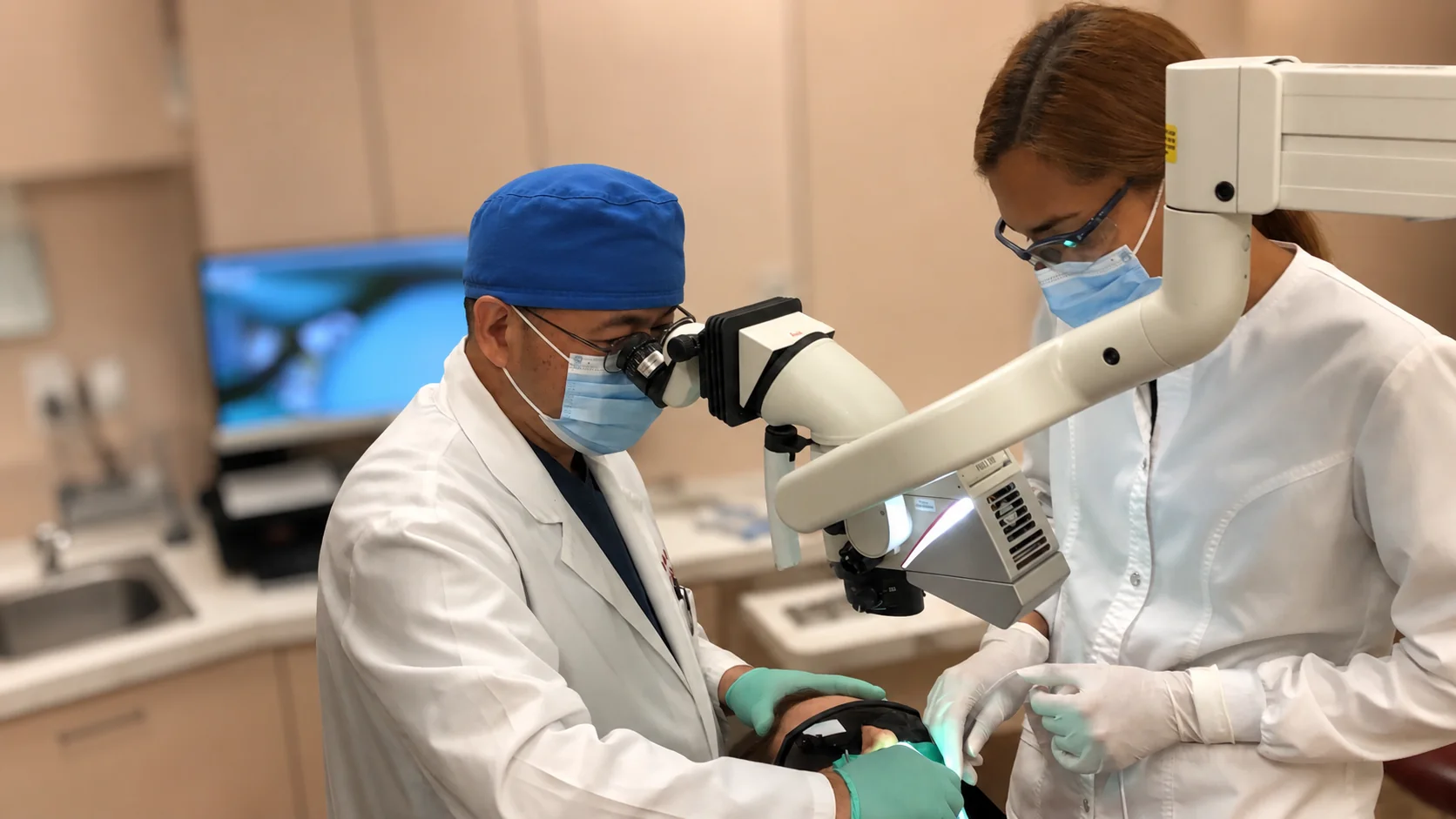
Scaling and Root Planing · Deep Cleaning · Periodontal Maintenance · Gum Disease Treatment · Loose Teeth Evaluation
This article is for patient education only and is not a diagnosis or guarantee of treatment outcome. Tooth mobility and periodontal prognosis depend on bone support, gum health, infection level, pocket depth, bite forces, smoking, diabetes control, home care, genetics, and maintenance compliance. © 2026 SoftDental | Dr. Minh Nguyen DDS PA · 10028 West Road Ste. 108, Houston TX 77064 · 281-807-6111
Questions about your own teeth?
Our team is happy to answer them in person, without pressure. Call us or book a visit.
Educational information only. Not a substitute for a personal exam with a licensed dentist.