
Baby Teeth Matter: Why “They Fall Out Anyway” Is a Dangerous Dental Myth
One of the most common things parents say is: “It is only a baby tooth. It will fall out anyway.” That sounds logical, but it can lead to a painful mistake. A baby tooth may be temporary, but the damage caused by untreated decay is not always temporary.
The Myth: “They Fall Out Anyway”
Yes, baby teeth eventually fall out. But they are not disposable. They are working teeth. A child uses them every day to bite, chew, speak, smile, and hold room for the adult teeth that are forming below the gums.
When a baby tooth gets a cavity, the cavity can grow quickly. If it reaches the nerve, the child may develop pain, swelling, infection, fever, trouble eating, poor sleep, and fear of dental visits. In some cases, a badly infected baby tooth must be removed earlier than nature intended.
“Baby teeth are not important because adult teeth will replace them.”
Baby teeth guide adult teeth, support chewing and speech, protect a child’s confidence, and help prevent bigger dental problems later.
Why Baby Teeth Actually Matter
Chewing and Nutrition
Children need healthy teeth to chew meat, fruit, vegetables, and normal meals. Dental pain can make a child avoid healthy foods or chew only on one side.
Speech Development
Front baby teeth help children pronounce sounds clearly. Missing or painful teeth can affect how a child forms words and smiles while speaking.
Guiding Adult Teeth
Baby teeth hold space. If a baby tooth is lost too early, nearby teeth can drift into the empty space and block the adult tooth’s normal path.
Protecting Health
An untreated cavity is an infection source. If it spreads, a child can develop swelling, abscess, pain, and emergency dental needs.
Confidence and Comfort
Children notice their smile. Broken, dark, painful, or missing teeth can affect self-confidence, eating at school, and willingness to talk or laugh.
Healthy Adult Habits
Early dental visits teach children that dental care is normal, not scary. Prevention now builds lifelong habits for adult teeth later.
What Happens When a Baby Tooth Cavity Is Ignored?
Tooth decay starts when bacteria make acid that weakens enamel. In the beginning, the child may not complain. Early cavities often do not hurt. By the time pain appears, the decay may already be deep.
Baby teeth are smaller than adult teeth, so cavities can reach the nerve faster. What begins as a small white spot or tiny hole can become a toothache, infection, or swelling.
A baby tooth cavity may begin quietly. If it spreads, it can reach the nerve, cause infection, and lead to early tooth loss. Early loss can allow other teeth to move into the space needed by the adult tooth.
| Issue | If ignored | If treated early |
|---|---|---|
| Pain | May become a toothache or emergency. | Often handled before the child has pain. |
| Infection | Can spread into the gum, jaw, or face. | Decay can be stopped or controlled sooner. |
| Eating | Child may avoid chewing or healthy foods. | Normal chewing and nutrition are protected. |
| Adult teeth | Early tooth loss can create space and alignment problems. | Baby teeth can stay in place until the right time. |
| Cost | Emergency care, extraction, space maintainer, or sedation may be needed. | Prevention and small treatment are usually simpler. |
“My Child Is Not Complaining.” That Does Not Mean Everything Is Fine.
Children may not complain until a cavity is deep. Some children cannot describe dental pain clearly. Others chew on the other side, avoid cold drinks, wake up at night, become picky with food, or act irritable without saying, “My tooth hurts.”
If your child has facial swelling, fever, trouble swallowing, or severe dental pain, call a dentist promptly. Dental infections in children should not be watched for weeks.
Baby Teeth and Adult Teeth Are Connected
Under many baby teeth, an adult tooth is developing. If a baby tooth gets infected, the surrounding tissue can become inflamed. If the baby tooth must be removed too early, the space can close before the adult tooth is ready to come in.
This is why dentists may recommend a filling, crown, nerve treatment, extraction, or space maintainer for a baby tooth. The goal is not to “save a tooth forever.” The goal is to protect the child’s comfort, health, and developing smile until the adult tooth is ready.
How Parents Can Help Baby Teeth Stay Healthy
Start early — even before all teeth are in
Wipe the baby’s gums with a clean, soft cloth. Once the first tooth appears, begin brushing gently with a small soft toothbrush.
First tooth = start brushingUse fluoride toothpaste correctly
Use a rice-sized smear for children under 3. Use a pea-sized amount for children ages 3 to 6. Help children spit instead of swallowing.
Small amount · big protectionAvoid bedtime milk, juice, or sweet drinks
Milk and juice can sit on teeth overnight and feed cavity-causing bacteria. Water is the safest bedtime drink after brushing.
Water after brushingLimit frequent snacking
Teeth need time to recover after eating. Constant snacking gives bacteria a steady sugar supply and keeps the mouth acidic longer.
Frequency mattersHelp your child brush
Most young children do not have the hand skill to clean well alone. Parents should brush or supervise until the child can do a thorough job.
Parent help is normalKeep regular dental visits
Dental checkups help catch small problems early, apply preventive care such as fluoride, and teach parents what to watch for at each age.
Prevention beats emergency careWhen Should a Child First See the Dentist?
A child should have an early dental visit when the first tooth comes in or by the first birthday. This first visit is often simple: checking growth, looking for early decay, reviewing brushing, discussing diet, and answering parent questions.
Many parents wait until a child has pain. That is late. The better goal is to let the child meet the dental team before there is an emergency. Early visits are shorter, calmer, and more preventive.
Common Parent Questions
A baby tooth is temporary, but a child’s comfort, nutrition, speech, confidence, and developing adult smile are not temporary. Treat baby teeth with respect now, and you help protect the permanent teeth later.
— Dr. Minh Nguyen, D.D.S., P.A. · SoftDental, Houston TXProtect your child’s smile before pain starts.
If your child has not had a recent checkup, has a visible dark spot, complains when chewing, or has never seen a dentist, schedule a visit. Early care is usually simpler, calmer, and less expensive than emergency care.
Research sources used for this article
- American Academy of Pediatric Dentistry. Parent FAQ: primary teeth help children speak clearly, chew naturally, and guide permanent teeth. AAPD FAQ
- American Dental Association MouthHealthy. Baby teeth eruption and children’s oral health guidance. ADA MouthHealthy: Baby Teeth
- Centers for Disease Control and Prevention. Oral Health Surveillance Report: untreated decay in primary teeth among children. CDC Oral Health Surveillance Report
- Centers for Disease Control and Prevention. Oral health tips for children: cavities are common and untreated cavities can cause pain and infection. CDC Oral Health Tips for Children
- National Institute of Dental and Craniofacial Research. Tooth decay overview: decay can lead to pain, infection, and tooth loss if untreated. NIDCR Tooth Decay
- National Institute of Dental and Craniofacial Research. Dental caries statistics in children ages 2 to 11. NIDCR Dental Caries in Children
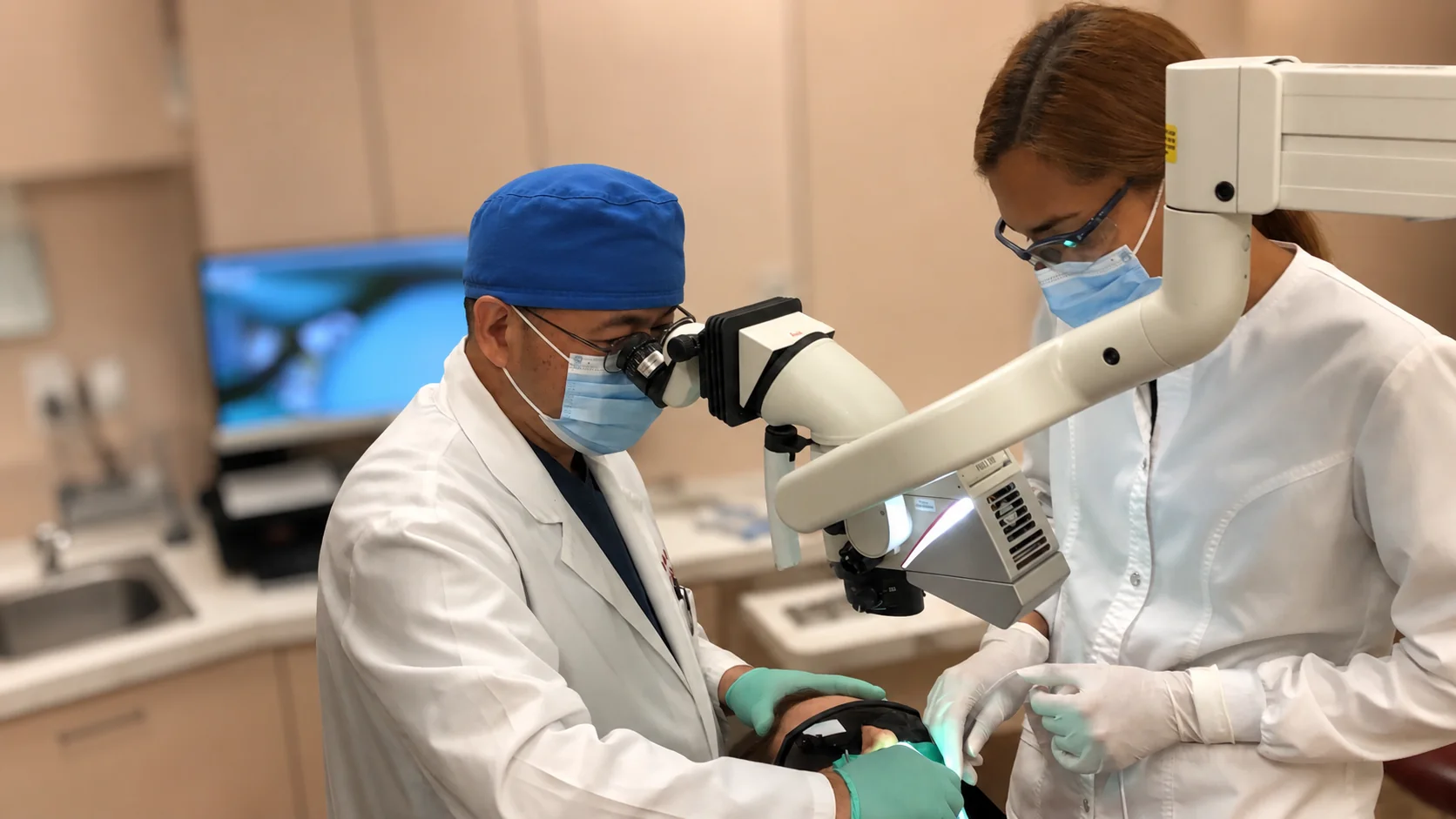
Children’s dental exams · Preventive care · Fillings · Crowns · Emergency dental care
This article is for patient education only and is not a diagnosis or substitute for a dental exam. Treatment recommendations depend on the child’s age, medical history, X-rays, symptoms, cavity risk, and clinical findings. © 2026 SoftDental | Dr. Minh Nguyen DDS PA · 10028 West Road Ste. 108, Houston TX 77064 · 281-807-6111
Questions about your own teeth?
Our team is happy to answer them in person, without pressure. Call us or book a visit.
Educational information only. Not a substitute for a personal exam with a licensed dentist.