
Dental Myths That Cost People Their Teeth: Aging, Tooth Loss & No Pain
Patients do not usually lose teeth because they celebrated another birthday. They lose teeth because quiet problems were allowed to become big problems: gum infection, bone loss, cavities under old fillings, dry mouth, smoking, grinding, diabetes, skipped cleanings, and waiting for pain before calling the dentist.
The Truth: Teeth Do Not Have an Expiration Date
Tooth loss is more common as people age, but it is not a normal “rule” of aging. The CDC reports that tooth loss has declined among older adults and that tooth loss is largely preventable with oral hygiene, overall self-care, and professional dental care. The leading causes are not age by itself. They are cavities, periodontitis with bone loss, and smoking.
This matters because losing teeth changes more than a smile. It can affect what you eat, how clearly you speak, your confidence, and your quality of life. A person with missing back teeth may slowly stop eating crunchy vegetables, nuts, steak, apples, or other healthy foods—not because they do not like them, but because chewing becomes work.
Myth vs. Fact: The Beliefs That Quietly Damage Teeth
“Everybody loses their teeth when they get old.”
Age raises risk, but it is not the cause by itself. Many older adults keep natural teeth for life with the right prevention and treatment.
“No pain means no problem.”
Early decay and early gum disease often do not hurt. Pain usually shows up when the disease is deeper, more expensive, and harder to treat.
“Bleeding gums are normal for me.”
Bleeding is common, but common does not mean healthy. Bleeding gums often mean inflammation, plaque, tartar, or gum disease.
“A filling or crown means that tooth is safe forever.”
Dental work protects a tooth, but it does not make the tooth immune. Bacteria can leak around old margins or under chipped fillings.
“I brush, so I don’t need cleanings.”
Brushing removes soft plaque. Once plaque hardens into tartar, you cannot brush it off at home.
“Dentures are just as good as natural teeth.”
Dentures and implants can restore function and confidence, but nothing is better than preserving healthy natural teeth when possible.
Why “No Pain” Can Be Dangerous
Dental disease often starts quietly. A cavity begins as mineral loss in enamel. Gum disease begins as plaque and tartar irritating the gums. Neither has to hurt at first. That is the trap.
By the time a tooth hurts, a cavity may already be close to the nerve. By the time chewing hurts, gum disease may already have damaged the bone that holds the tooth. By the time a tooth feels loose, the problem has usually been present for a long time.
Dental disease is often quiet in the beginning. Exams, x-rays when appropriate, gum measurements, and professional cleanings help find problems before pain forces an emergency visit.
- Small cavity becomes a deep cavity
- Gingivitis becomes periodontal bone loss
- Old filling leakage becomes a fractured tooth
- Simple treatment becomes urgent treatment
- More risk of root canal, extraction, or infection
- Early decay may be stopped or reversed
- Gum inflammation can often be controlled
- Cleanings remove tartar before deeper damage
- Risk factors can be managed before teeth loosen
- More choices, less stress, lower long-term cost
What Actually Changes as You Get Older
Aging does not doom your teeth, but the mouth does change. Those changes deserve a plan.
Gum recession exposes roots
Root surfaces are softer than enamel. When gums recede, roots can develop cavities more easily, especially near old fillings and crowns.
Dry mouth increases cavity risk
Many medications reduce saliva. Less saliva means less natural washing, less mineral repair, and higher risk for decay and bad breath.
Gum disease can progress quietly
Tartar under the gumline can create pockets, infection, and bone loss without major pain at first.
Medical conditions matter
Diabetes, heart disease, smoking history, immune problems, and certain medications can affect gums, healing, saliva, and infection risk.
Grinding wears teeth down
Clenching and grinding can crack teeth, damage dental work, and create gum recession. A night guard may protect high-risk patients.
Sugar frequency matters
Slow sipping sweet drinks, frequent snacks, cough drops, and acidic beverages can keep enamel under acid attack throughout the day.
The “Silent Problems” We Look For at a Check-Up
A good dental exam is not just “looking for holes.” It is risk detection. The question is not only, “Does anything hurt?” The better question is, “What is starting quietly?”
Gum Measurements
We measure the spaces around the teeth. Deeper pockets can signal periodontal disease. Bleeding during measurement is also information—not something to ignore.
Find gum disease before teeth loosenX-Rays When Appropriate
X-rays can show decay between teeth, bone loss around teeth, infections at the root, impacted teeth, and problems that cannot be seen by looking in the mouth alone.
See what eyes cannot seeOld Filling and Crown Check
Edges can leak. Fillings can chip. Crowns can develop decay at the margin. A tooth that was repaired years ago still needs routine monitoring.
Protect existing dental workOral Cancer and Soft Tissue Screening
The gums, tongue, cheeks, throat, and palate matter too. Regular dental visits help detect changes in oral tissues, especially for patients with tobacco, alcohol, HPV, or age-related risk factors.
Mouth health is more than teethDry Mouth and Medication Review
If medications or medical conditions reduce saliva, we may recommend fluoride, hydration strategies, saliva substitutes, xylitol products, or a medical discussion with your physician.
Prevent root cavitiesThe Mouth Is Connected to the Whole Body
Dental disease does not stay isolated in one tooth. Oral health affects eating, speaking, smiling, infection risk, and quality of life. The CDC notes that oral health is connected to overall health; for example, poor periodontal health can worsen blood sugar control in people living with diabetes.
That does not mean every heart problem, blood sugar problem, or health problem is caused by the mouth. It means the mouth is part of the health system. Chronic gum inflammation, infection, missing teeth, poor chewing, dry mouth, and untreated decay all affect daily health decisions: what you eat, how you sleep, whether you avoid smiling, whether you can chew protein and vegetables, and whether an infection becomes urgent.
How to Keep Your Natural Teeth Longer
Most tooth loss is not sudden. It is the result of repeated small decisions. The good news is that the same is true for prevention. Small habits repeated daily can protect teeth for decades.
Brush twice daily with fluoride toothpaste
Use a soft brush. Clean the gumline, not just the biting surfaces. If your gums recede or your mouth is dry, ask whether prescription-strength fluoride is appropriate.
Clean between teeth every day
Floss is one option. Interdental brushes, soft picks, or water flossers may work better for bridges, implants, tight areas, or patients with dexterity issues.
Do not ignore bleeding
Bleeding gums are a sign to improve the plan, not a reason to stop cleaning. If bleeding continues, schedule a periodontal evaluation.
Keep professional cleanings
At least yearly is the minimum public-health recommendation. Many patients need every six months. Periodontal patients may need maintenance every three or four months.
Control sugar and acid timing
Frequency matters. A sweet coffee sipped for three hours can be worse than dessert eaten once with a meal. Water is your teeth’s safest drink.
Ask about dry mouth
Dry mouth is not just uncomfortable. It increases cavity risk. Bring your medication list and tell us if you wake up dry or need water all night.
Protect teeth from grinding
Flattened teeth, jaw soreness, cracked fillings, and morning headaches can signal clenching or grinding. A custom guard may prevent tooth fracture.
Stop tobacco if you use it
Smoking is strongly linked to serious gum disease and tooth loss. It also makes gum treatment less successful.
When to Call Before Your Next Cleaning
Do not wait for severe pain. Call if you notice any of these changes:
What SoftDental May Recommend Based on Your Risk
There is no one-size-fits-all prevention plan. A patient with healthy gums, low cavity risk, and excellent home care may need a different schedule than a patient with diabetes, smoking history, dry mouth, periodontal pockets, or many crowns.
- Routine exam and professional cleaning
- Digital x-rays only when clinically appropriate
- Home-care coaching for plaque control
- Fluoride toothpaste and prevention review
- Recall interval based on dentist recommendation
- Periodontal charting and gum-risk tracking
- Deep cleaning if active periodontal disease is present
- Periodontal maintenance every 3–4 months if needed
- Prescription fluoride or dry-mouth strategies
- More frequent checks around crowns, bridges, implants, or root surfaces
The goal is not to scare patients into dentistry. The goal is to stop waiting until pain makes the decision for them. Teeth are much easier to protect before they hurt.
— Dr. Minh Nguyen, D.D.S., P.A. · SoftDental, Houston TXFrequently Asked Questions
Is losing teeth really preventable?
Why did my old dentist say my gums were fine if now I need a deep cleaning?
Can I reverse gum disease?
Should I still see a dentist if I have dentures?
How often should I come in if I already had gum disease?
Do not wait until it hurts.
If it has been a while since your last cleaning, if your gums bleed, or if you are worried about keeping your teeth as you age, schedule a prevention-focused visit at SoftDental.
Leave a Google Review →
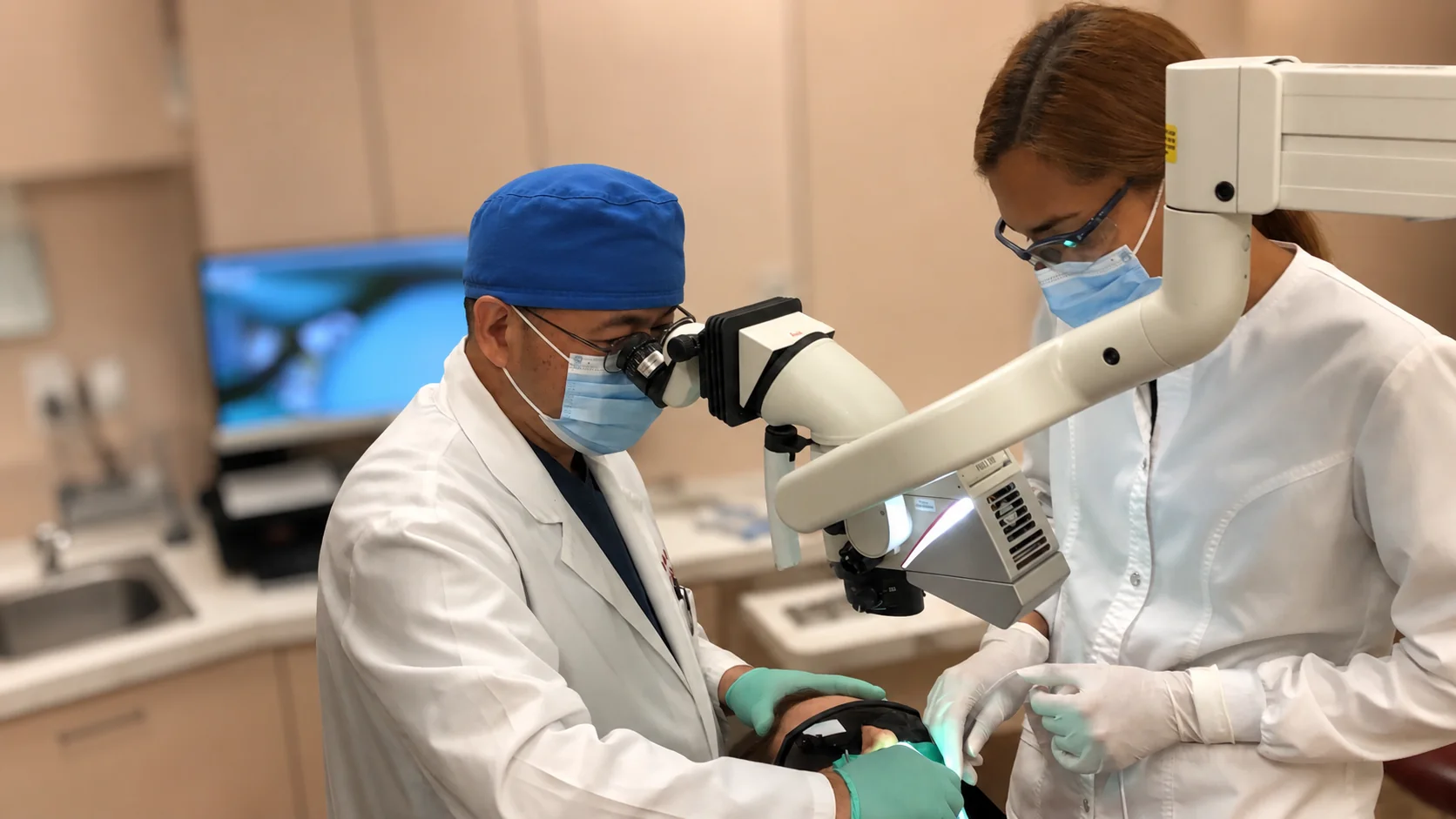
Digital X-Rays · Periodontal Care · iTero Digital Scanner · Anatomage 3D CBCT
Research sources reviewed
This article is for patient education only and is not a diagnosis or substitute for a dental examination. Treatment recommendations depend on a patient’s clinical exam, x-rays when appropriate, periodontal measurements, medical history, and individual risk factors. © 2026 SoftDental | Dr. Minh Nguyen DDS PA · 10028 West Road Ste. 108, Houston TX 77064 · 281-807-6111
Questions about your own teeth?
Our team is happy to answer them in person, without pressure. Call us or book a visit.
Educational information only. Not a substitute for a personal exam with a licensed dentist.