
Full Mouth Extraction and Immediate Dentures: What to Expect
Full mouth extraction is a major emotional and physical transition. Many patients are afraid of leaving the office with no teeth. Immediate dentures are designed to help with that first stage — appearance, speech, soft-food function, and protection of the extraction sites. But patients must understand: the immediate denture is the beginning of healing, not the end of treatment.
What Is a Full Mouth Extraction?
A full mouth extraction means removing all remaining teeth in the upper jaw, lower jaw, or both. This may be recommended when teeth cannot be predictably saved due to severe periodontal disease, deep cavities, broken roots, infection, failed restorations, or a combination of problems.
Dr. Nguyen’s first goal is always to save teeth when they are healthy enough to keep. But when teeth are hopeless, leaving infected or loose teeth in the mouth can cause pain, swelling, abscesses, chewing problems, bad breath, and worsening bone loss. In those cases, extraction and denture planning may be the safer long-term path.
What Is an Immediate Denture?
An immediate denture is made before the teeth are removed and inserted the same day as extractions. It can replace one tooth, several teeth, or a full arch of teeth. For full mouth extraction, immediate dentures are often used so the patient does not have to go home without teeth.
Immediate dentures are helpful because they support appearance, protect the surgical areas, and help patients begin learning to speak and function with dentures right away. But they are made before the gums and bone heal. That means the fit is an estimate based on the mouth before surgery.
Appearance right away
Patients do not have to spend the first healing period with no teeth in their smile.
Acts like a bandage
The denture can help cover and protect extraction sites during the early healing phase.
Speech practice starts early
Patients can begin learning how to speak with dentures instead of waiting months without teeth.
Soft-food function
Immediate dentures help restore some chewing support, but patients must start with soft foods.
Not final fit
As swelling goes down and bone shrinks, the immediate denture usually becomes loose.
Adjustments expected
Sore spots, bite changes, soft liners, relines, and follow-ups are part of the process.
Immediate Denture vs. Permanent Denture
Many patients ask: “If I already have a denture the same day, why do I need another one later?” The reason is healing. After teeth are removed, the gum tissue and jawbone change shape. This change is normal, but it affects denture fit.
| Type | When it is made | Main purpose | Limitation |
|---|---|---|---|
| Immediate denture | Before teeth are removed; inserted the same day as extraction | Protects appearance and surgical areas during healing | Fit changes quickly as swelling decreases and bone/gums shrink |
| Relined immediate denture | During healing, when looseness develops | Improves comfort and fit temporarily | Still based on the original temporary denture shape |
| Permanent denture | After the mouth has healed and tissues are more stable | Provides a more accurate long-term fit, bite, and appearance | Still removable; still requires maintenance and future replacement |
Why Dr. Nguyen May Need to Trim or Smooth the Bone
After teeth are removed, the bone underneath may not be smooth. There can be sharp edges, uneven ridges, thick areas, or bony bumps. If the gum is closed over rough bone, the denture may rub, cause sore spots, or fit poorly.
Bone smoothing is called alveoloplasty. It means reshaping the bony ridge after extraction to create a smoother foundation for healing and denture fit. Patients sometimes worry that the doctor is “removing extra bone.” The real purpose is usually to remove sharp or irregular areas so the denture can sit more comfortably.
After multiple extractions, the ridge may be sharp, uneven, or bulky. Alveoloplasty smooths and reshapes the bone so the gum can heal over a more comfortable foundation for the denture.
What Happens Before Surgery?
Consultation and treatment planning
Dr. Nguyen evaluates the teeth, gums, bone, bite, medical history, medications, infection level, and whether any teeth can or should be saved.
Diagnosis firstImpressions or digital records
Records are taken before extractions so the immediate denture can be made in advance. Because the teeth are still present, the fit cannot be fully tested until after surgery.
Denture made before teeth are removedReview expectations
Patients are told that immediate dentures may feel bulky, tight, loose later, or uneven during healing. Adjustments are normal and expected.
No surprise healing planMedication and health review
Blood thinners, diabetes, blood pressure, smoking, immune conditions, and healing risks are reviewed. Some patients may need medical clearance before full mouth extraction.
Safety reviewWhat Happens During Surgery?
The exact sequence depends on the number of teeth, infection, bone shape, health history, and whether both arches are treated the same day. A typical full-mouth extraction and immediate denture appointment may include:
Local anesthesia
The mouth is numbed carefully. Patients should feel pressure, vibration, and movement — not sharp pain. Sedation options, if appropriate, can be discussed before the appointment.
Removal of remaining teeth
Hopeless teeth are removed. Infected tissue may be cleaned out. Some areas may need additional surgical care depending on root shape and bone condition.
Bone smoothing / alveoloplasty
Dr. Nguyen smooths sharp or uneven bone so the gum can close better and the immediate denture has a more comfortable foundation.
Sutures
The gum tissue is closed with stitches where needed. This supports healing and helps control the shape of the tissue after surgery.
Immediate denture insertion
The immediate denture is placed after surgery. It may feel tight at first because of swelling. Patients should not keep removing it unless instructed because the tissue can swell and make reinsertion difficult.
What to Expect After Surgery
| Timeframe | What is common | What patients should do |
|---|---|---|
| First 24 hours | Bleeding, pressure, swelling, numbness wearing off, denture feels tight or bulky. | Follow post-op instructions exactly. Do not remove the denture unless Dr. Nguyen instructs you. Use gauze and medication as directed. |
| Days 2–3 | Swelling and soreness may peak. Denture sore spots may start to show. | Eat soft foods, avoid hot foods/drinks early, avoid smoking, and call if pain or swelling is worsening. |
| Week 1 | Follow-up visit, sore-spot adjustment, possible suture check/removal depending on the type used. | Bring the denture to the appointment. Do not adjust the denture at home with tools. |
| Weeks 2–8 | Gums shrink, denture starts feeling looser, chewing and speech slowly improve. | Practice speaking, chew soft foods on both sides, keep cleaning the denture and mouth. |
| Months 3–6+ | Bone and gum shape continue changing. Reline or permanent denture planning may be discussed. | Return for recommended adjustments and discuss timing for the final denture. |
Why the Denture Gets Loose During Healing
When teeth are removed, the body begins reshaping the jawbone. This is normal. The immediate denture was made to fit the mouth before extraction, but after surgery the gums shrink and the bone ridge changes. As the swelling goes down, the denture may start moving.
Reline, Soft Liner, and Permanent Denture: What Is the Difference?
Soft liner
A softer material placed inside the denture to cushion healing gums and improve fit temporarily.
Reline
Material is added to the inside of the denture to refit it to the changed gum shape.
Permanent denture
A new denture made after healing when the gum and bone are more stable, giving a better long-term fit.
How to Eat, Speak, and Heal With Immediate Dentures
Start soft
Choose eggs, soup, yogurt, mashed potatoes, soft noodles, fish, or smoothies. Avoid seeds, chips, nuts, steak, and crusty bread early on.
Chew both sides
Chewing only on one side can tip the denture. Use small bites and chew evenly on both sides.
Do not bite with front teeth
Biting into sandwiches, apples, or hard foods with the front teeth can dislodge the denture.
Practice speech
Read out loud at home. The tongue and cheeks need time to learn the new space.
Do not smoke
Smoking slows healing, increases infection risk, and can worsen denture sores and gum problems.
Clean daily
Clean the denture and mouth as instructed. Bacteria can still build up even when natural teeth are gone.
Common Misconception: “Once I Get Dentures, My Dental Problems Are Over.”
Dentures can restore appearance and some function, but they do not work like natural teeth. They are removable appliances that sit on gum tissue. They can move, rub, loosen, collect bacteria, break, and need maintenance.
Tips for a Smoother Recovery
Follow denture-wearing instructions exactly
The first 24 hours are different from later weeks. Do not remove and reinsert the denture randomly after surgery unless instructed.
Expect adjustments
Sore spots are common. Do not suffer silently and do not file the denture yourself. Return for adjustments.
Keep all follow-up appointments
The denture may need bite adjustment, tissue check, suture evaluation, and fit correction as healing changes.
Plan financially for the whole process
Immediate dentures, relines, repairs, and permanent dentures are different stages. Ask the office to review the expected timeline and fees before treatment.
Be patient with yourself
Speaking and eating with dentures is learned. The first few weeks can feel frustrating, but most patients improve with practice and adjustments.
Immediate dentures help patients avoid the shock of leaving surgery with no teeth, but they are not the final step. The mouth changes after extractions. Bone smoothing, sutures, adjustments, relines, and eventually a permanent denture are all part of giving the patient a better long-term result.
— Dr. Minh Nguyen, D.D.S., P.A. · SoftDental HoustonSources and Further Reading
American Dental Association, MouthHealthy: Dentures — explains that dentures are removable appliances that replace missing teeth and help restore smile and function.
Thinking about full-mouth extractions?
Understand the full denture plan first.
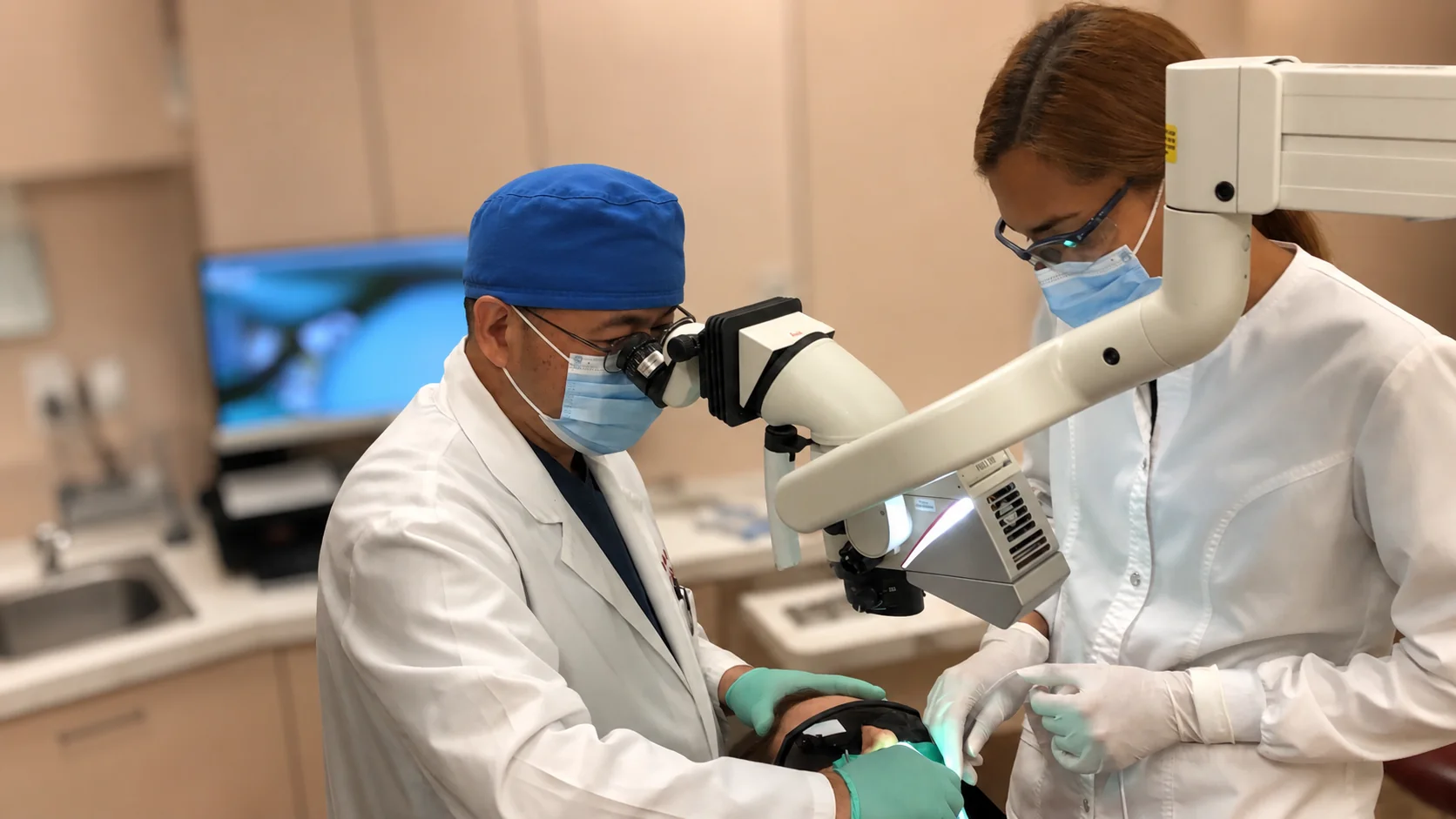
Dr. Nguyen can evaluate whether teeth can be saved, whether immediate dentures are appropriate, whether bone smoothing may be needed, and when a permanent denture should be planned.
Full Mouth Extraction Evaluation · Immediate Dentures · Permanent Dentures · Denture Relines
This article is for patient education only and is not a diagnosis or guarantee of treatment outcome. Full mouth extraction, alveoloplasty, immediate dentures, relines, and permanent denture planning depend on medical history, infection, bone shape, gum healing, bite, treatment goals, and clinical findings. Some cases may require referral to an oral surgeon or specialist. © 2026 SoftDental | Dr. Minh Nguyen DDS PA · 10028 West Road Ste. 108, Houston TX 77064 · 281-807-6111
Questions about your own teeth?
Our team is happy to answer them in person, without pressure. Call us or book a visit.
Educational information only. Not a substitute for a personal exam with a licensed dentist.